 GET QUOTE
 NEWSLETTER
 LOGIN
LOGIN

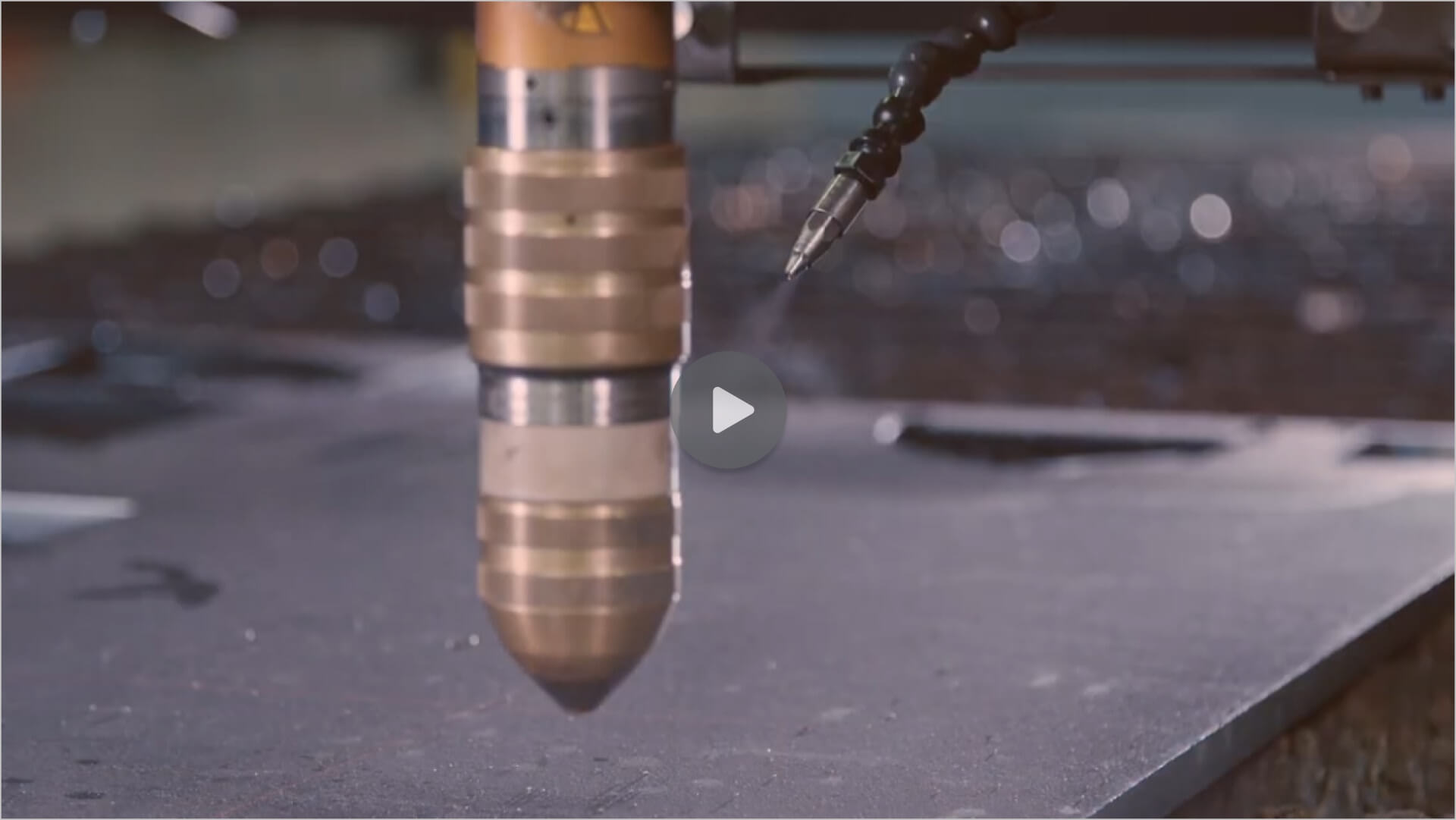
DEMO | V304: Dross Inhibitor
Dross is one of the most common challenges in thermal cutting. Excess molten material can adhere to the underside of a part, creating unwanted buildup that often requires manual grinding, chipping, or additional finishing operations. These secondary processes increase labor costs, extend production times, and reduce overall efficiency.
The V304 addresses this challenge with its advanced Dross Inhibitor technology. By intelligently optimizing cutting behavior, the system minimizes dross formation, helping operators produce cleaner parts directly from the cutting table and reducing the need for post-processing.
Reducing Dross at Critical Cutting Areas
Dross typically forms when cutting conditions change unexpectedly, particularly during starts, stops, corners, or transitions between contours. Maintaining optimal cutting parameters throughout these situations is essential for achieving clean results.
The V304 continuously controls motion and cutting parameters to maintain stable cutting conditions. This helps reduce the accumulation of molten material along the cut edge and decreases the likelihood of dross formation, even on complex parts with varying geometries.
Producing Cleaner Parts Straight Off the Table
Every minute spent removing dross is a minute not spent on value-added production activities. Traditional cutting processes often require operators to manually clean parts before they can move to assembly, welding, or finishing operations.
With the Dross Inhibitor, the V304 produces cleaner part edges that require significantly less manual intervention. By reducing edge contamination, operators can move parts through production faster and improve overall workflow efficiency.
Increasing Productivity Through Reduced Rework
Secondary processing can create bottlenecks throughout the fabrication process. Grinding and cleaning parts not only consume labor hours but can also delay downstream operations.
The V304 helps minimize these interruptions by delivering higher-quality cut edges from the outset. Less rework means shorter lead times, improved throughput, and greater machine productivity, allowing fabrication shops to process more work with the same resources.
Supporting Consistent Cut Quality
Consistent edge quality is critical for maintaining production standards. Variations in dross formation can result in uneven surfaces, inconsistent fit-up, and additional preparation before welding or assembly.
The V304's intelligent cutting technology maintains stable cutting performance across different materials, thicknesses, and part geometries. This creates more uniform edge quality and helps ensure that finished components consistently meet production requirements.
Improving Downstream Operations
Parts with minimal dross move more efficiently through subsequent manufacturing stages. Welding, assembly, painting, and machining operations benefit from cleaner surfaces that require less preparation.
By reducing edge cleanup requirements, the V304 helps streamline the entire production process. Operators spend less time correcting cut quality issues and more time focusing on productive manufacturing activities.
Lower Labor Costs and Better Resource Utilization
Manual dross removal is labor-intensive and adds no direct value to the finished product. Reducing the need for these activities helps manufacturers make better use of skilled labor and production resources.
The V304's Dross Inhibitor technology supports a more efficient workflow by minimizing wasteful secondary operations. This allows fabrication facilities to improve productivity while maintaining high standards of quality.
Engineered for Reliable Industrial Performance
The effectiveness of dross reduction depends on the machine's ability to maintain precise motion and stable cutting conditions. The V304 combines its rigid machine construction, precision drive systems, and advanced software controls to achieve consistent cutting performance throughout the production cycle.
Whether processing structural steel components, machine parts, weld preparations, or complex nested jobs, the V304 helps deliver cleaner cuts with reduced dross formation and improved operational efficiency.
By integrating advanced Dross Inhibitor technology with high-precision motion control, the V304 enables manufacturers to reduce rework, improve part quality, and increase productivity across a wide range of plasma cutting applications.

REFERENCES & RESOURCES