 GET QUOTE
 NEWSLETTER
 LOGIN
LOGIN

AUTOMATED VS MANUAL WELDING: Production time comparison in steel fabrication
BY TJAARD BUREMA, PRODUCT MANAGER AT VOORTMAN
PUBLISHED: JUNE 24, 2026
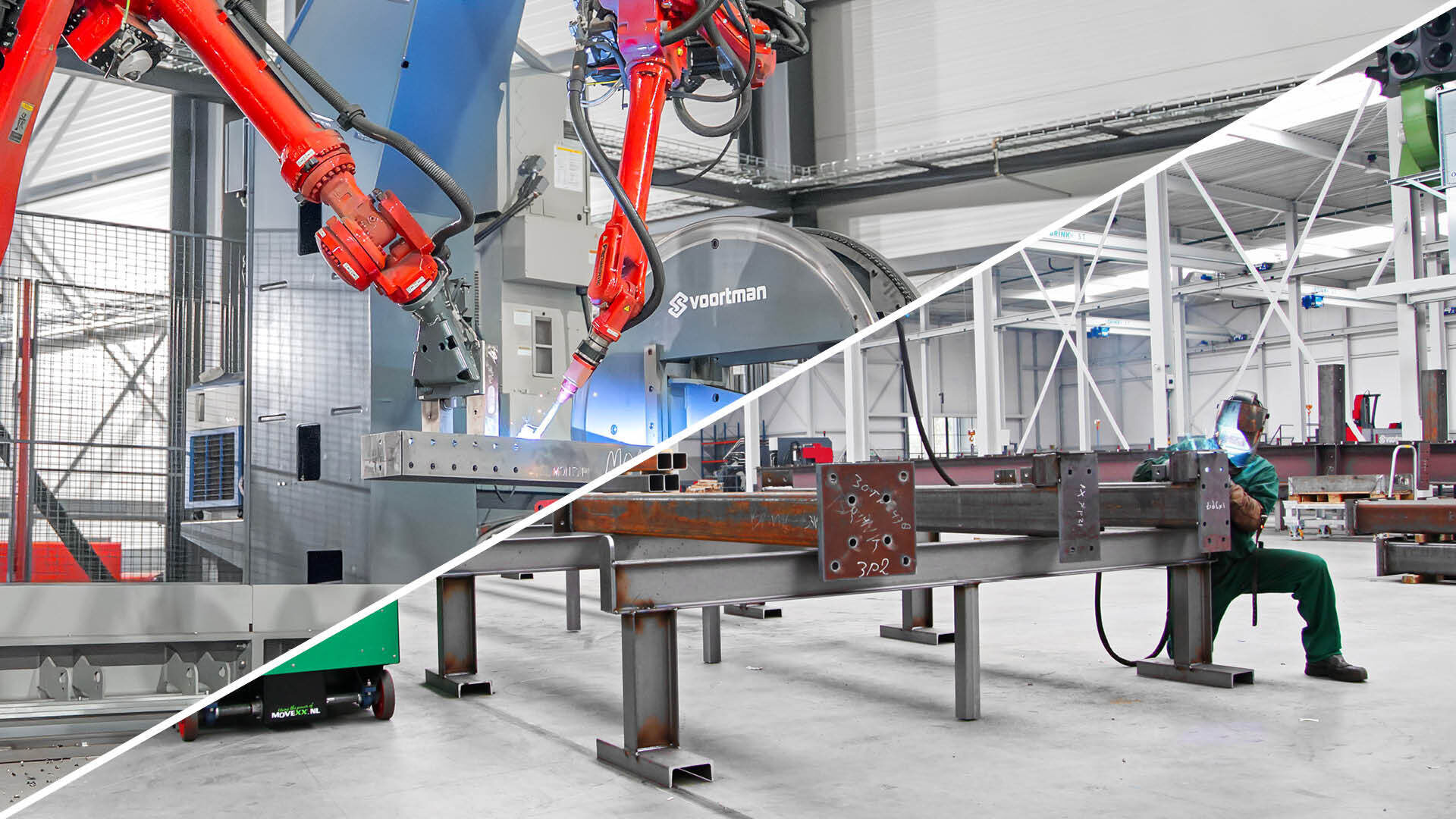
How much time can you actually save with robotic welding? To answer that, we compared a number of common steel fabrication assemblies produced manually and with the Voortman Fabricator. The Fabricator is an automated fitting and welding machine for steel fabricators.
About this comparison
Voortman engineers compared the machine cycle time with the time it takes to manually fabricate the assemblies. For the machine cycle time, LogicSteel CADCAM software was used. The key point is that the engineers included the entire workshop process in this comparison. Not just assembling and welding, but all related steps as well. Also, all assemblies are based on single-layer welding.
In this article:
Assembly example 1:
Main part: HEA260 | Subparts: 26 | Weight: 608 kg (1340 lb)
- Robotic welding - total fabrication time: 3:36:30
- Manual welding - total fabrication time: 11:13:00
Conclusion: For this assembly, the total fabrication time of the Fabricator is 68% faster than fully manual fabrication.
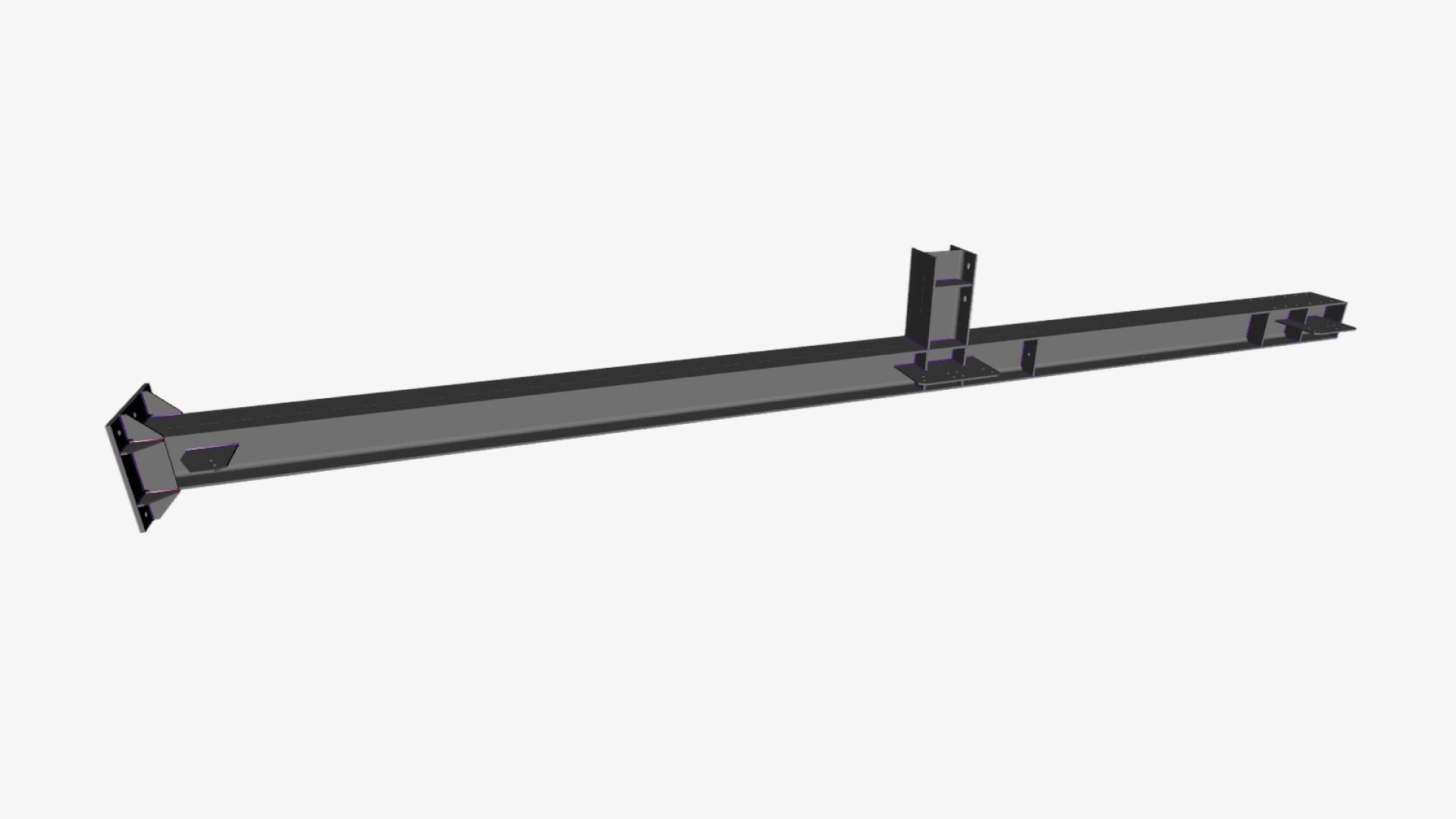
In this example, a complex HEA260 beam with 26 sub-parts was evaluated. The Fabricator was able to automatically fit and weld 25 of these parts, resulting in ≈ 20 m (65 ft) of automated weld length. One part required manual welding (≈ 19 cm / 7 in), as certain components cannot be processed by the robot. (For example, when secondary parts exceed the size limit or do not have direct contact with the main member.)
The one specific part that needed to be manually welded part is the stiffener within the I profile on top. It cannot be directly processed by the welding robot in the current assembly sequence due to its geometry and position. However, if this small plate were pre-assembled this combined part could then be fully welded using the Fabricator.
The time required to manually complete this remaining part is included in the total fabrication time of 3 hours and 36 minutes. In contrast, a fully manual process must handle all 26 parts and a total weld length of ≈ 22 m (72 ft), leading to a significantly higher production time.
This comparison highlights how robotic welding significantly reduces production time, labor intensity, and handling complexity, even for assemblies with high weld volume.
Assembly example 2:
Main part: HEA260 | Subparts: 11 | Weight: 523 kg (1154 lb)
- Robotic welding - total fabrication time: 1:08:18
- Manual welding - total fabrication time: 5:06:00
Conclusion: For this assembly, the total fabrication time with the Fabricator is 78% faster than fully manual fabrication.
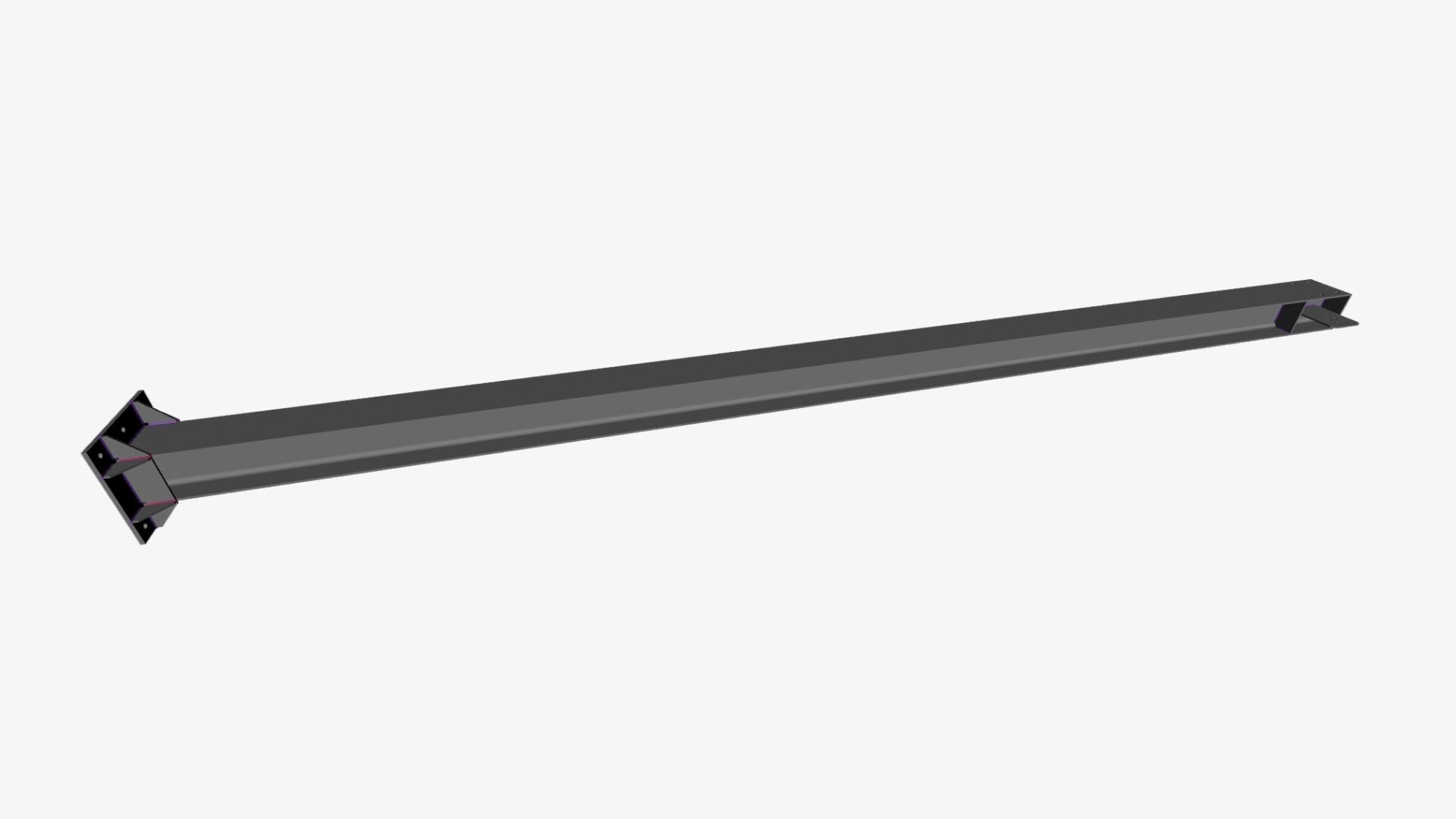
In this example, an HEA260 beam with 11 subparts is evaluated. The Voortman Fabricator is able to automatically fit and weld all 11 parts using robotic welding, resulting in a total automated weld length of 9228 mm ≈ 9 meter (30 ft) with no manual intervention required. This level of welding automation leads to a total production time of just 1 hour and 8 minutes.
A fully manual welding process for the same assembly on the other hand will take more than 5 hours. The difference lies in the handling and positioning required during manual fabrication. With a beam weight of over 523 kg (1154 lb) and components such as the base plate on the left featuring multiple smaller plates on each side, the welder must repeatedly reposition and rotate the assembly to access all welds. Each repositioning requires crane handling and verification, significantly increasing production time.
This example highlights that fabrication efficiency is driven by maximizing arc-on time and minimizing handling. The more continuous the welding process, the greater the time savings.
Assembly example 3:
HEA500 | Subparts: 7 | Weight: 1231 kg (2714 lb)
- Robotic welding - total fabrication time: 0:55:24
- Manual welding - total fabrication time: 3:26:00
Conclusion: For this assembly, the total fabrication time with the Fabricator is 73% faster than fully manual fabrication.
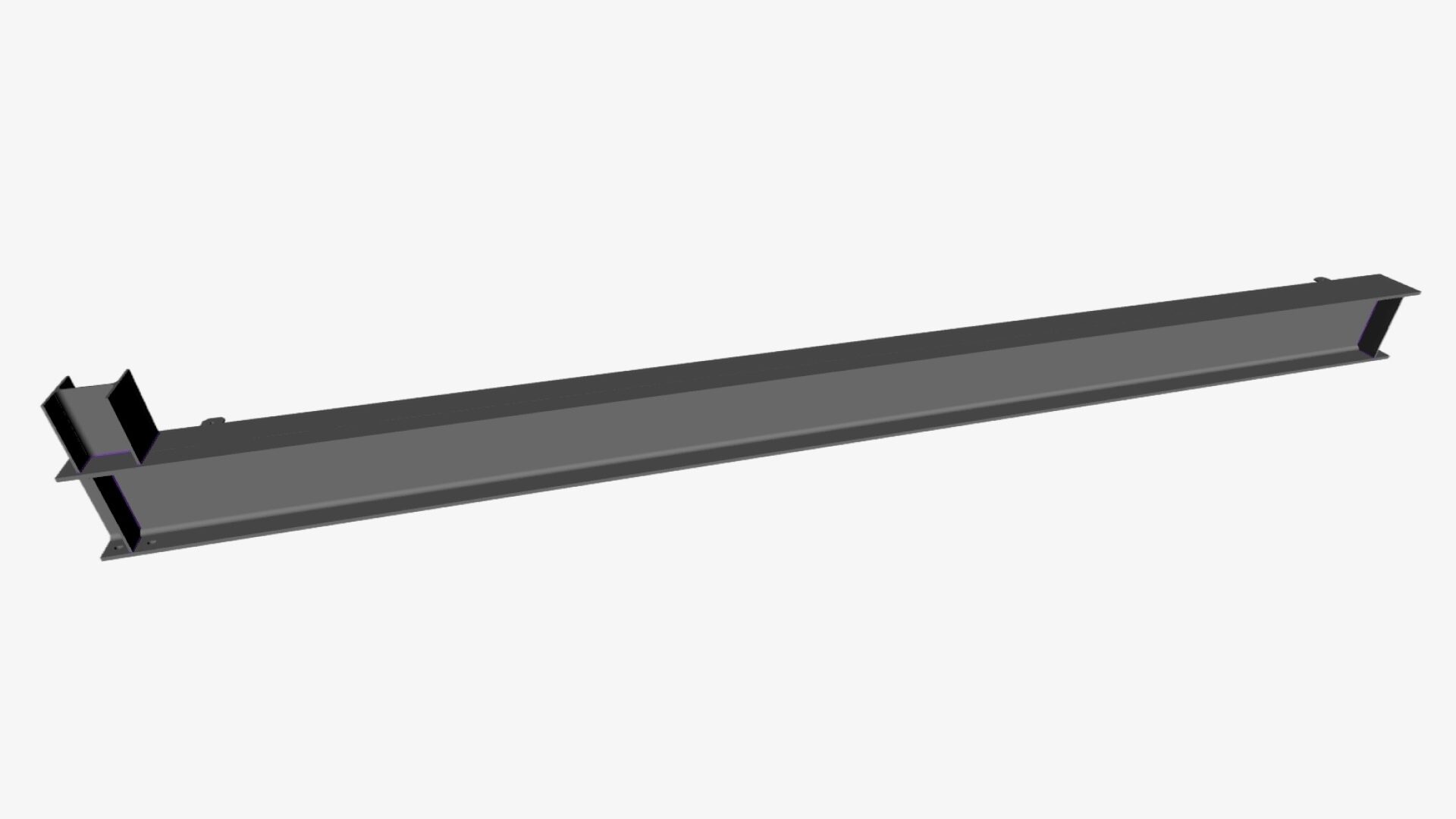
This HEA500 assembly has 7 subparts, all of which can be fully processed using robotic welding with the Voortman Fabricator. The system automatically fits and welds the complete assembly, achieving a total weld length of ≈ 68 m (223 ft) without any need for manual intervention. Thanks to this level of welding automation, the entire process is completed in just 55 minutes.
A fully manual welding approach, however, requires 3 hours and 26 minutes for the same assembly. Significant time is spent on part handling, positioning, and assembly rotations. The comparison between automated welding vs manual welding clearly shows how robotic welding streamlines the workflow and drastically reduces production time, even for relatively simple assemblies.
Why is robotic welding faster?
Robotic welding is faster in these examples primarily because fitting and welding are fully integrated into a single, automated process. With the Fabricator, parts are positioned, aligned, and welded automatically. There is no need for intermediate handling, remeasuring, or transferring between workstations. This eliminates a significant amount of manual work and reduces the risk of errors between steps.
In addition, the system retains information from the fitting process and directly applies it during welding. This means the robot knows exactly how each sub-part is positioned, where gaps are located, and how much welding is required. By carrying this information throughout the entire process, unnecessary adjustments and re-measurements are eliminated, further increasing speed and consistency.
Importantly, this efficiency does not shift complexity to work preparation. Work preparation for the Fabricator can be done in just minutes, keeping the entire process streamlined from office to shop floor.
When is robotic welding not efficient?
While robotic welding offers significant advantages in many situations, it is not always the most efficient choice. Manual welding is more practical for simple assemblies.
For example, take a series of lightweight profiles with only a head and foot plate. A welder can quickly position and weld the parts manually in a continuous flow. The simplicity of the assembly allows the welder to move efficiently from one beam to the next, without the need for complex setup or repositioning. At Voortman, we consider an assembly with fewer than four subparts a simple assembly.
Automated welding benefits for steel fabrication
When robotic welding creates assemblies up to 78% faster, the impact for a steel fabricator goes far beyond cycle time alone. It directly increases output capacity without requiring additional labor. This allows more projects to be completed within the same timeframe. Lead times become shorter and more predictable, improving delivery reliability toward customers. At the same time, consistent robotic quality reduces rework and material waste, lowering overall production costs.
By automating repetitive welding tasks, skilled welders can focus on complex, high-value jobs where their expertise matters most. The result is a more efficient operation that can scale production, stay competitive on price and delivery, and respond more flexibly to increasing demand without sacrificing quality.

Questions about automated fitting and welding?
If you have questions about the possibilities of robotic welding or would like to explore further, our team is here to help. You can also visit the Fabricator product page for more information.