 GET QUOTE
 NEWSLETTER
 LOGIN

Top 5 most-read articles of 2026
BY VOORTMAN
PUBLISHED: 24 NOVEMBER, 2026
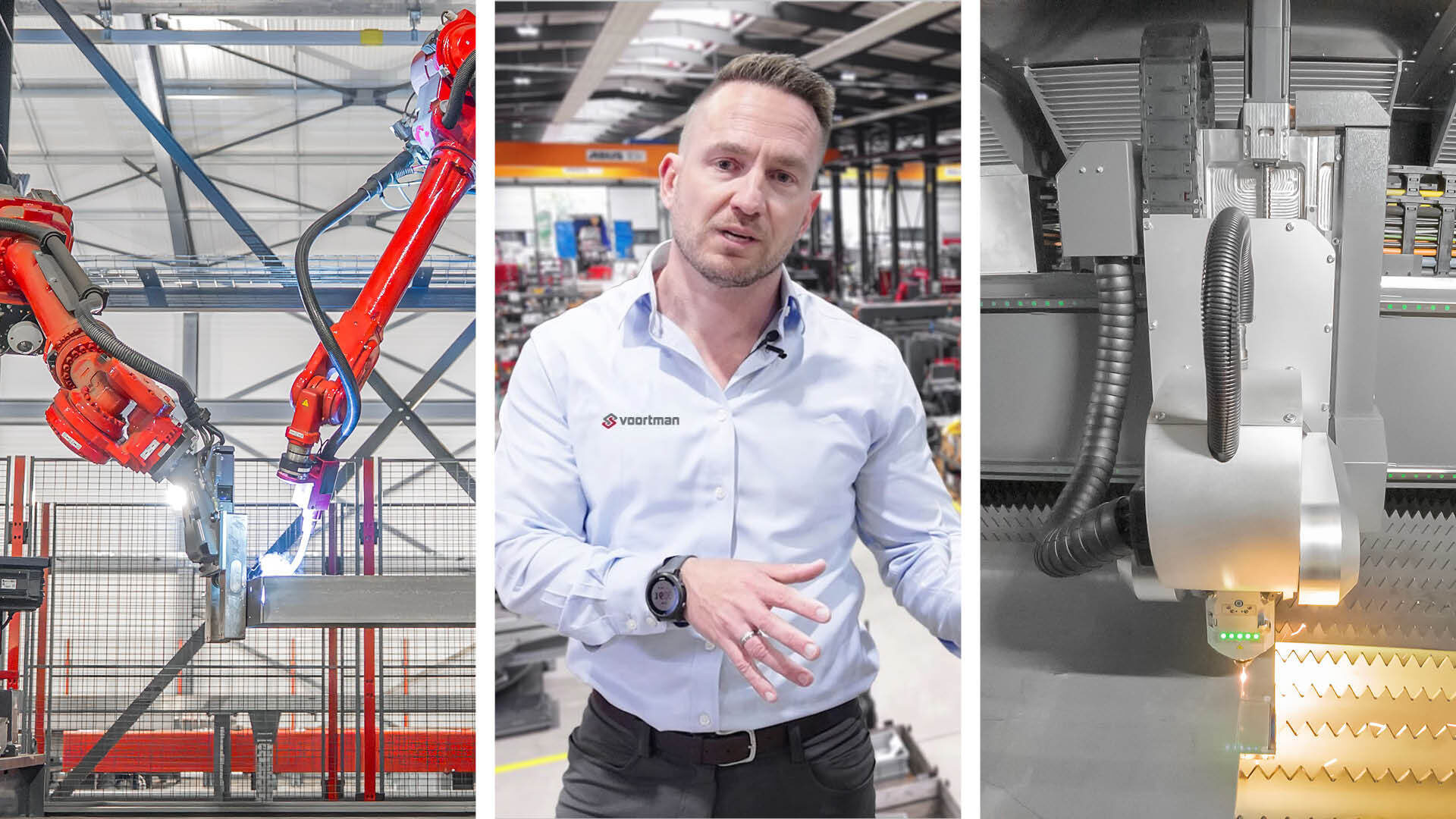
Which technologies should you keep an eye on to stay relevant in steel processing next year? And how is the focus shifting from individual products to one integrated solution? In this overview, you’ll find the five most-read articles of 2026. Read on to discover more.
#5 LogicSteel XR features and benefits: Why it stands out
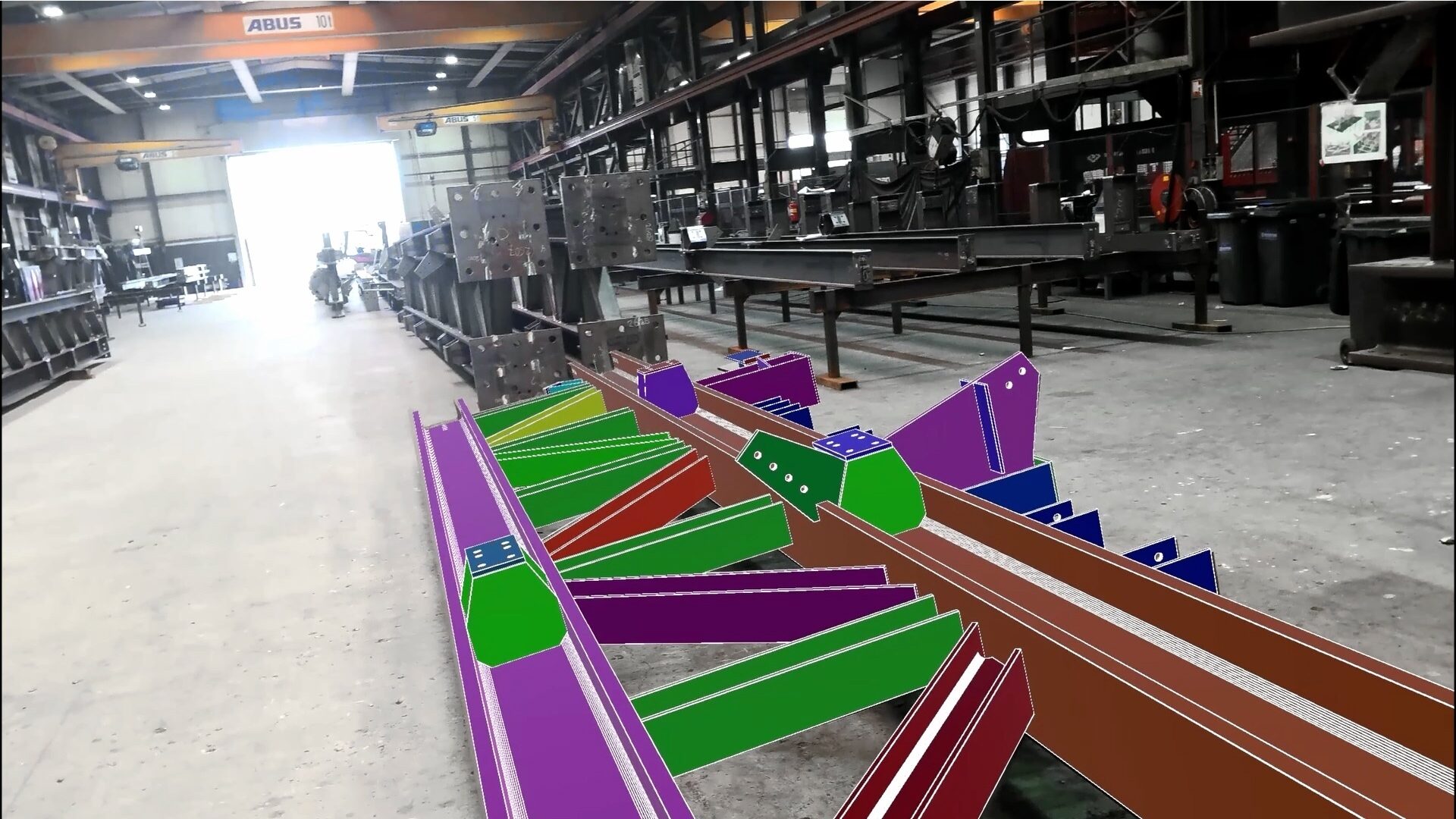
For years, quality control inspectors checked steel structures primarily by manually comparing the finished assembly with technical drawings. The introduction of LogicSteel XR brought a new approach to quality control.
LogicSteel XR is a quality control tool that uses Extended Reality (XR) to project 3D models directly onto steel assemblies, allowing real-time verification of accuracy during quality control. It eliminates the need for 2D drawings and manual measurements and streamlines the inspection process. In their article, Menno and Bart explore the 8 features that set LogicSteel XR apart.

#4 Envision one flow
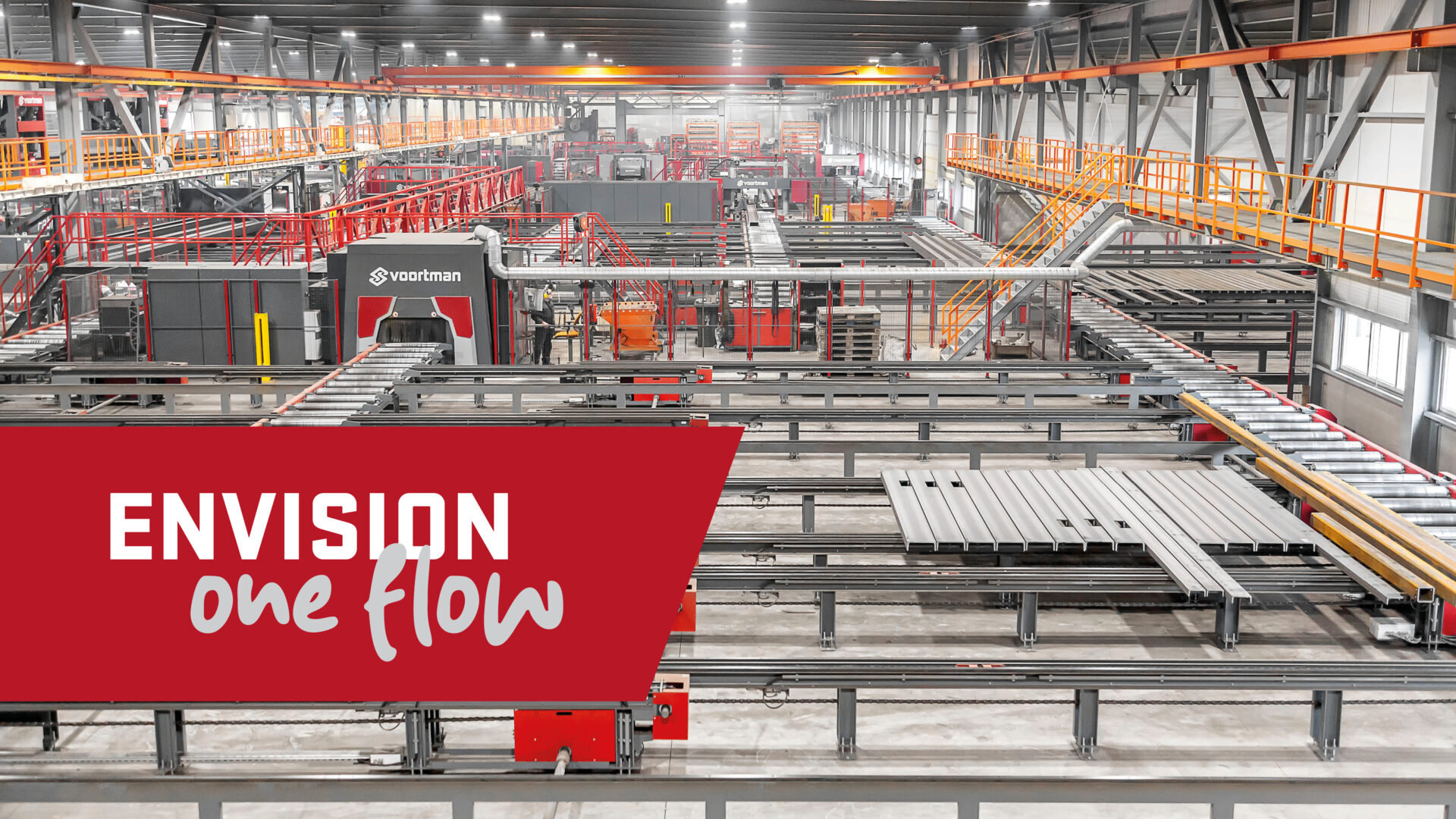
Shorter lead times, a shortage of skilled labor and tighter margins. When facing challenges like these, you may look into a new machine, new software or additional services. But what if the biggest opportunity lies in how everything works together?
In the article ‘Envision One Flow’, we show how all processes are connected. From engineering and planning to cutting, fitting, welding and material handling, every step affects the next. When information and processes are not properly aligned, delays, inefficiencies and unnecessary costs quickly add up.

#3 How it’s made: Machines for the United States
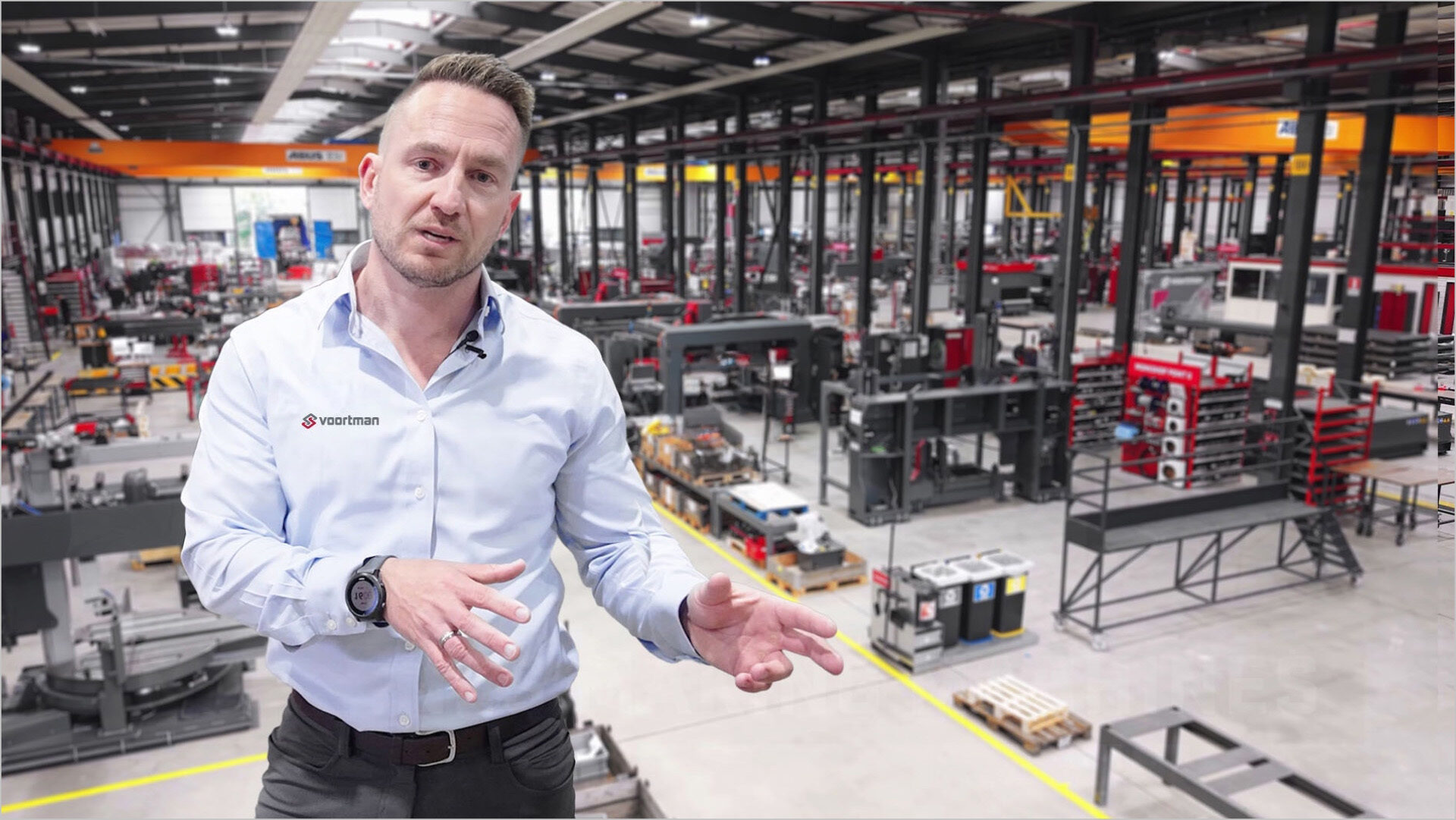
2026 was the year Voortman USA moved into a new facility in Monee, Illinois. Although Voortman had already been based in Monee for ten years, the move marked an important change: bringing machine assembly, training and additional parts storage together under one roof.
If you are a North American manufacturer, that means shorter lines, faster response times and more support closer to home. Curious what goes into building a machine for the North American market? Watch the video and read the full story.
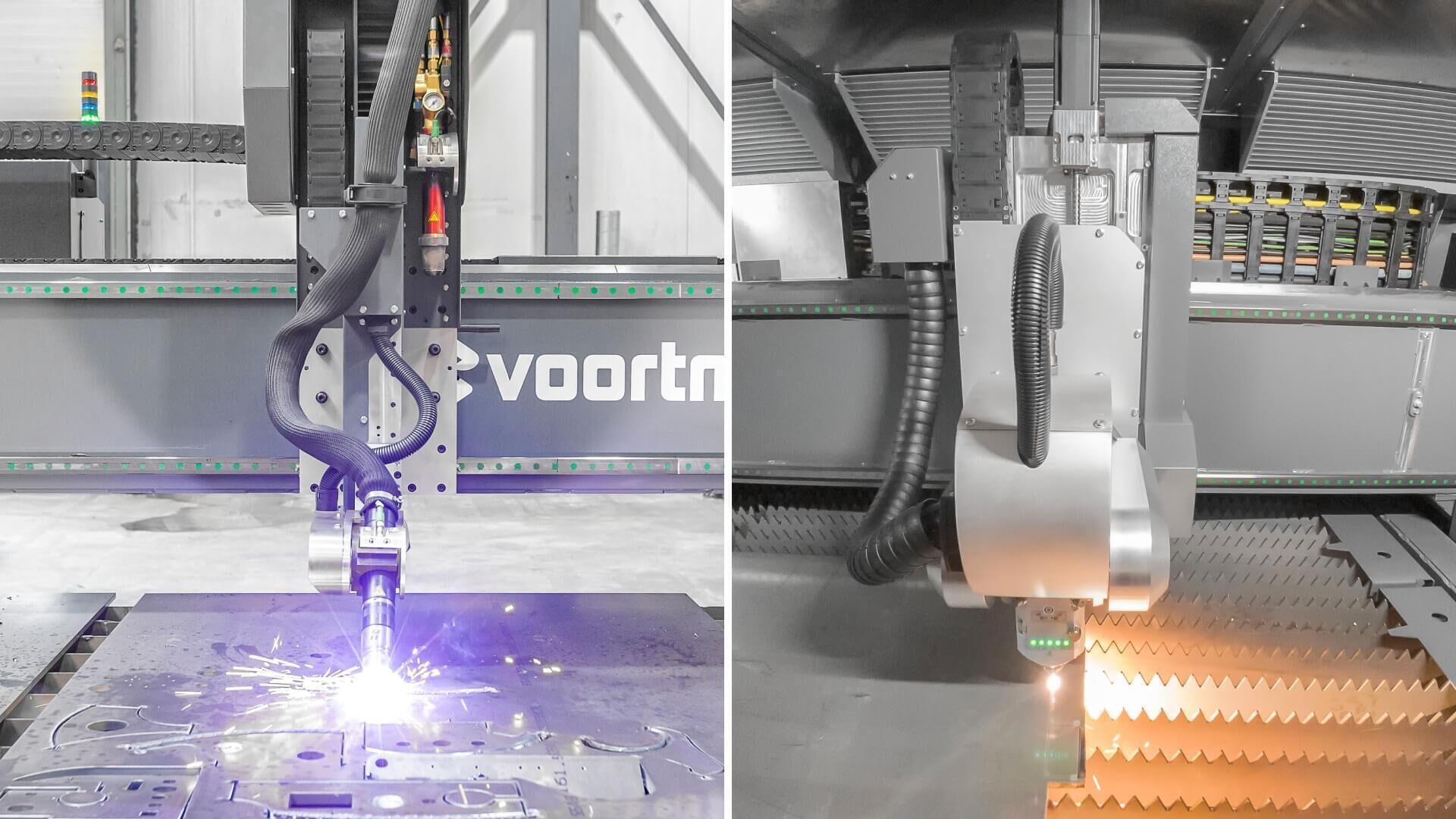
#2 Plasma vs. laser cutting: What you should know
Before laser cutting became widely adopted in steel processing, plasma was the go-to technology for thermal cutting. As laser cutting has gained ground, it has also raised new questions. What does laser cutting actually cost? How does it compare to plasma? And what about material thickness, cutting speed, and cut quality?
In his article, Stef Rohaan explains what you need to know about plasma vs. laser cutting. Rather than focusing solely on technical specifications, he takes a broader look at both technologies. Most importantly, he explains why the key factor is not the technology or machine itself, but how well it fits the way you actually work.
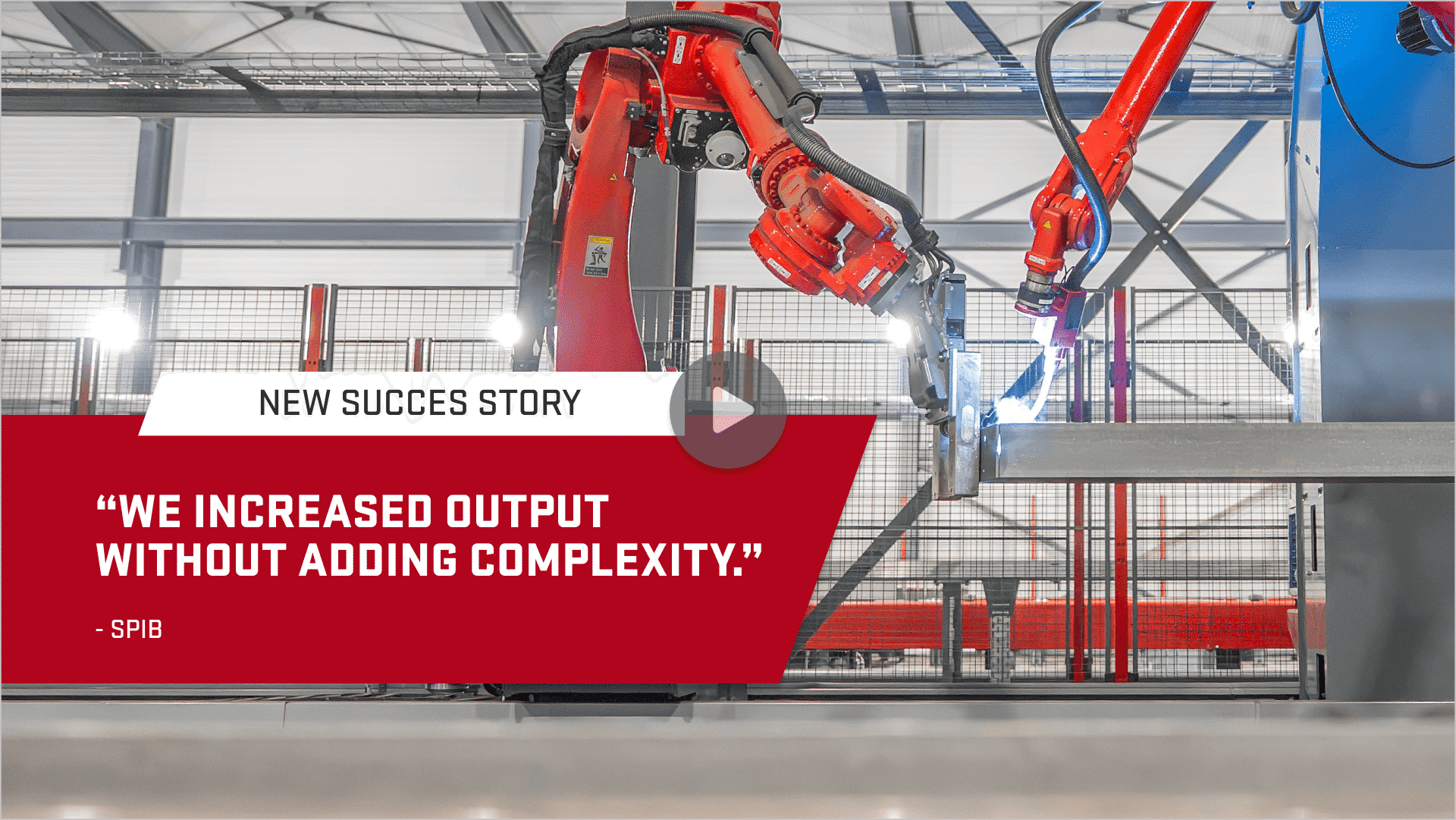
#1 Succes story from SPIB: When welders are scarce
What do you do when you want to increase output, but skilled fitters and welders are increasingly difficult to find? This was the challenge facing SPIB, a French steel fabrication company. SPIB wanted to produce more without expanding its workforce or adding complexity to the shop floor.
In the testimonial video, co-owners Mickael & Ludovic Charrier explain why they partnered with Voortman and invested in a Fabricator. By automating fitting and welding, SPIB increased its output by around 500 tons while eliminating internal bottlenecks.
Others also read