 GET QUOTE
 NEWSLETTER
 LOGIN
LOGIN

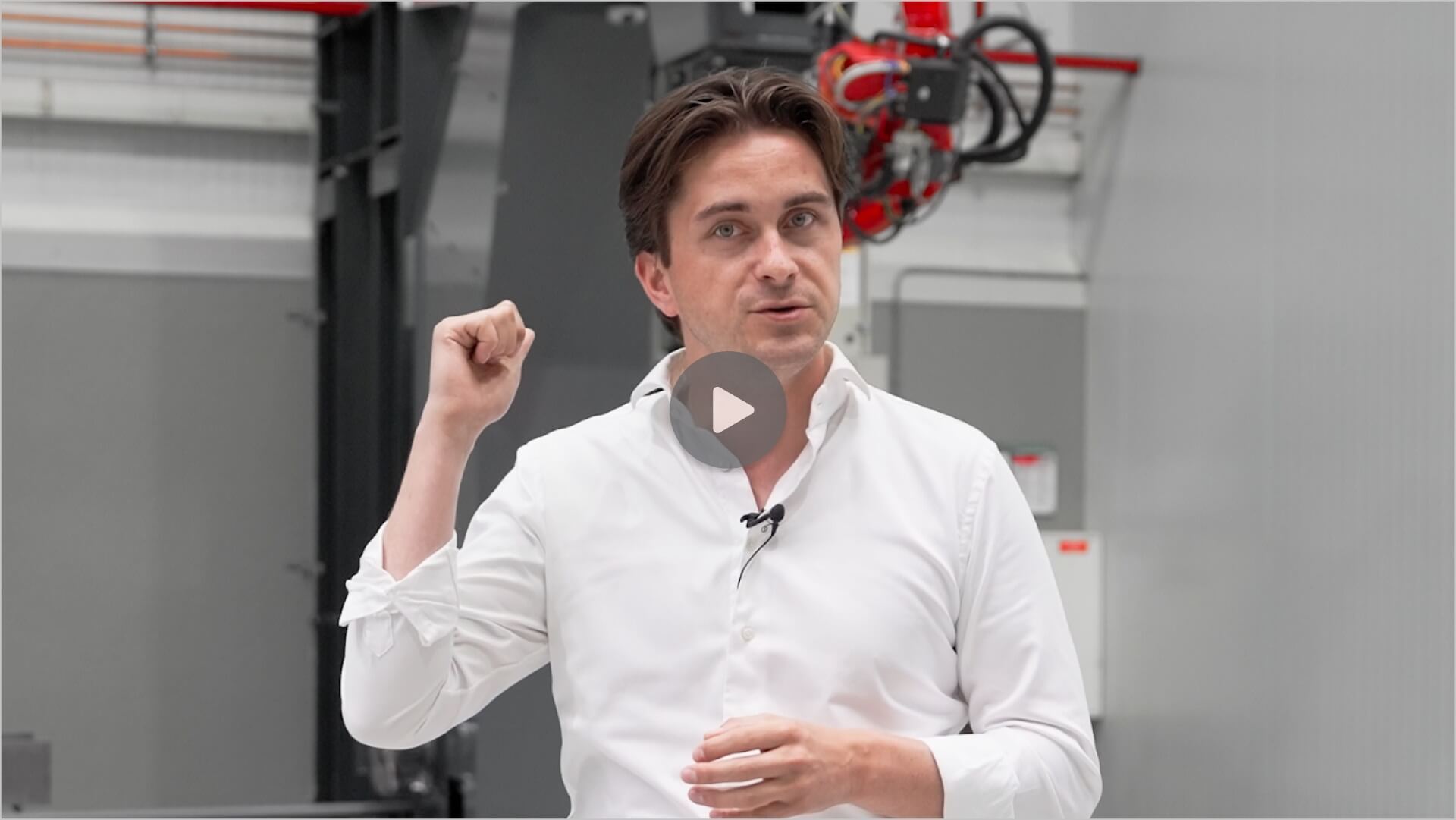
DEMO - Fabricator: Feasibility
In this article, we explain how LogicSteel CADCAM for Weld helps you decide which assemblies are worth sending to the Fabricator and why.
The Voortman Fabricator is designed to automate fitting and welding, but that doesn't necessarily mean every assembly should be fabricated by the machine. Some assemblies are ideal for robotic welding. Others may be more suitable for manual welding.
The Feasibility feature in LogicSteel CADCAM provides fabricators with a single ranked overview of assemblies, helping work preparation send the right assemblies to the Fabricator, in the right order, at the right time. The purpose is to optimize the fabrication process, giving you greater control over your workshop.
From "Can it be welded?" to "Should it be welded?"
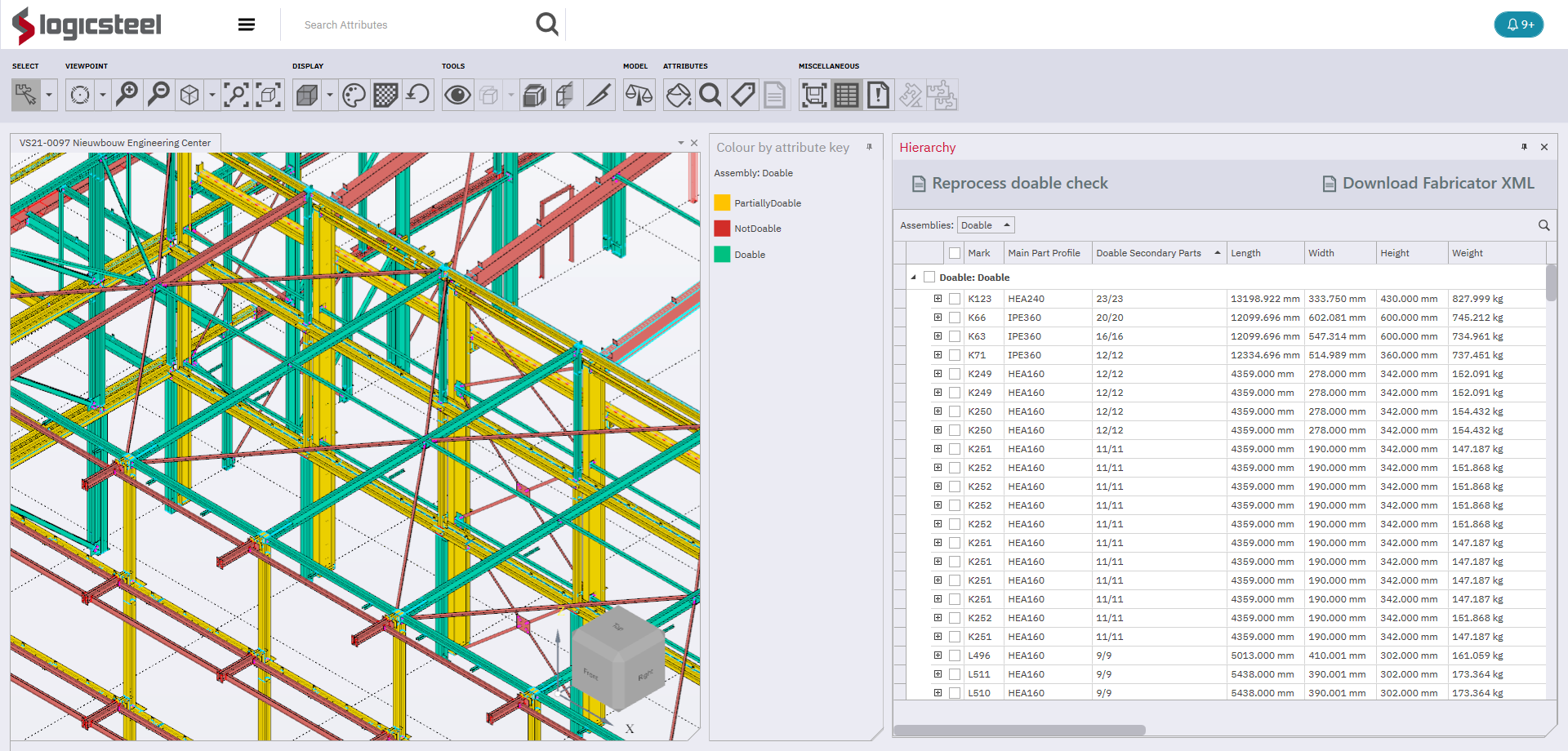
LogicSteel CADCAM already included the Doability feature, which answers the question:
"Can the Fabricator weld this assembly?"
Doability identifies which assemblies can be welded by the Fabricator and which cannot.
Feasibility takes the next step by answering a different question:
"Should the Fabricator weld this assembly?"
An assembly may be technically possible to weld with the Fabricator, but that does not automatically make it the best choice. Feasibility helps determine whether an assembly should be produced by the Fabricator or is more suitable for manual welding, batched for later, or given a lower priority based on planning. It provides insight into the production times for various routes, so you can make the best decision to stay on schedule.
This helps users understand the return on investment of their Fabricator. It also supports more consistent decision-making, especially for employees who have less experience making robot-versus-manual welding decisions.
Additionally, in steel fabrication priorities may shift and planning may change, requiring you to make on-the-fly decisions. Feasibility shows you at a glance which jobs you should remove from the Fabricator and which ones you could add to work most efficiently. This allows you to quickly and easily make the right choice.
What you gain:
With Feasibility, you can:
- Ensure every hour of Fabricator operation delivers the highest possible production value and ROI
- Allocate work based on data
- Balance workload between shifts and resources to make faster and more consistent decisions
- Increase throughput
- Make smarter robot-versus-manual welding decisions
The machine fits your process, not the other way around. Feasibility contributes to the overall welding process optimization, not just machine optimization, and provides more control over your workshop.
How Feasibility works
Feasibility uses a three-stage assessment to automatically evaluate assemblies against the Fabricator's actual welding capabilities. It also considers customer preferences and the customer's own manual welding capabilities.
1. Producibility - Can the Fabricator actually weld it?Assemblies, part and welds are validated against actual Fabricator constraints. This includes checking rotator clamping positions, robot reachability and weld accessibility. Assemblies, parts or welds that fail this check are automatically flagged and excluded.
2. Suitability - Does it match your production preferences?
Every company has a different view of what makes an assembly suitable for robotic welding. That's why Feasibility allows you to define your own preferences, such as:
- Minimum number and percentage of producible attached parts
- Minimum producible weld volume
Assemblies that don't match the defined threshold for feasibility are automatically considered to be manual production.
3. Efficiency - Is it more economical than manual welding?
Assemblies are compared against your own manual welding capabilities.
The comparison is based on factors such as:
- Part contains holes or not
- Handling time based on part weight
- Time to turn beams for weld accessibility based on beam weight
Assemblies are ranked according to the advantage the Fabricator offers over manual welding for that specific assembly. Feasibility shows the exact amount of time it takes to process the assembly. You can then calculate the costs based on your hourly rate. At Voortman we do have the insights to calculate whether automated or manual fitting and welding is more economical in your situation.
The result
Within minutes, and without manual intervention, Feasibility generates a prioritized overview that shows:
- Which assemblies can be produced within the available time
- Where the greatest return on automation can be achieved
- Which assemblies are best suited for the Fabricator
- Which assemblies may be better welded manually
Feasibility proposes which assemblies to fit and weld automatically. The only thing you need to do is confirm the selection and the data is automatically transferred to the machine. This helps work preparation make faster, more consistent decisions while ensuring that the Fabricator capacity is used where it delivers the greatest impact for your business.

REFERENCES & RESOURCES
Automated fitting and welding.
LogicSteel CADCAM for welding >>
Automate the entire weld‑preparation process.