 GET QUOTE
 NEWSLETTER
 LOGIN
LOGIN

WHY AUTOMATED FITTING AND WELDING ISN’T COMPLICATED IN 2026 - Interview with Tjaard Burema
BY VOORTMAN
PUBLISHED: JUNE 25, 2026
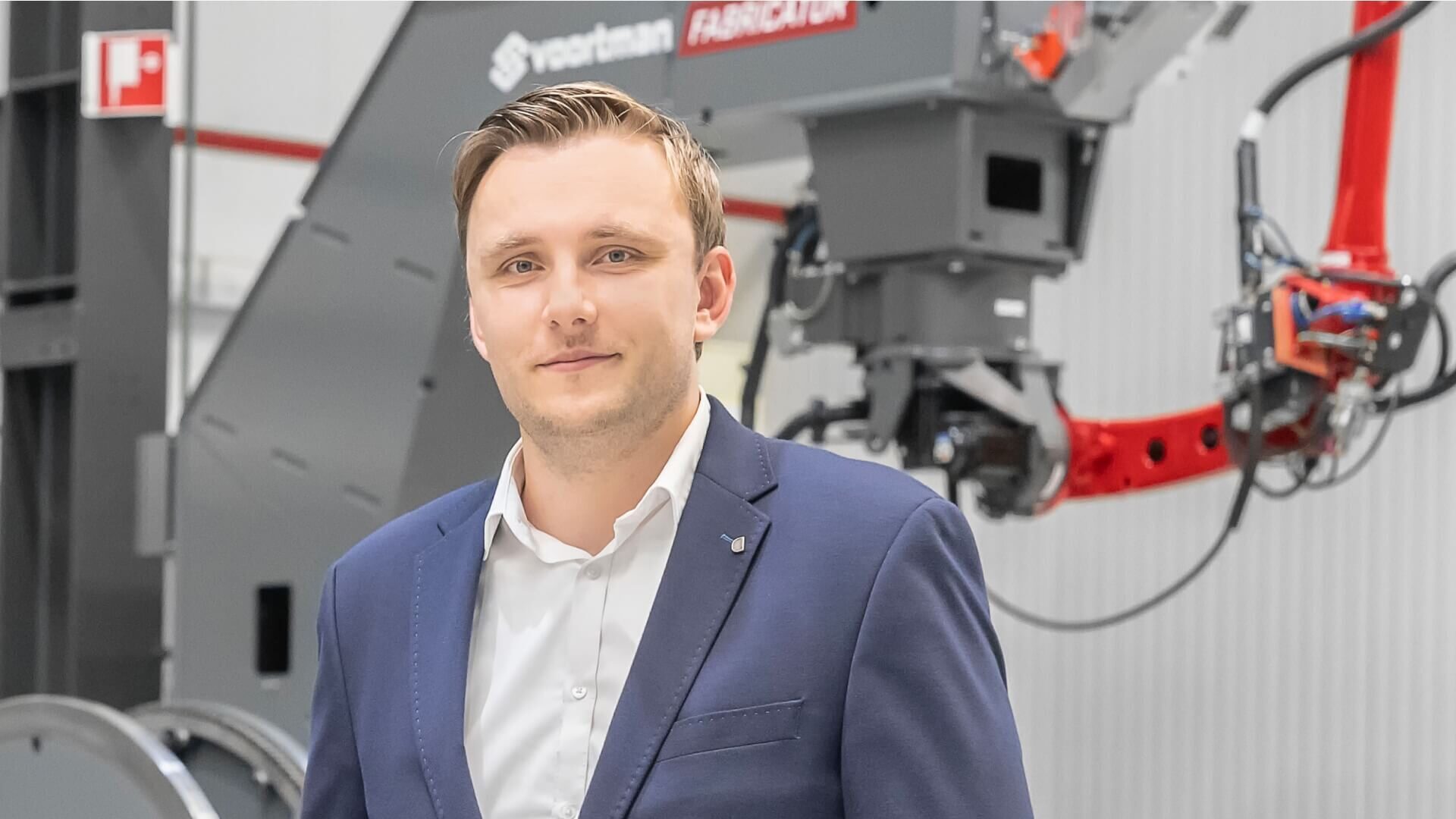
For many steel fabricators, automated fitting and welding still feels like something for a distant future, something complex or simply ‘not for me’. But according to Tjaard Burema, Product Manager at Voortman, it is already providing a competitive edge in today’s steel fabrication industry.
“We’re at a point where this level of automation isn’t futuristic anymore,” Tjaard explains. “It’s practical, reliable, and delivering real results on shop floors every day.”
What’s driving the need for automated fitting and welding right now?
“Steel fabricators face many challenges in the industry today, including increasing project variation, higher quality demands, and a shrinking pool of skilled fitter-welders. Together, these factors are putting significant pressure on production.”
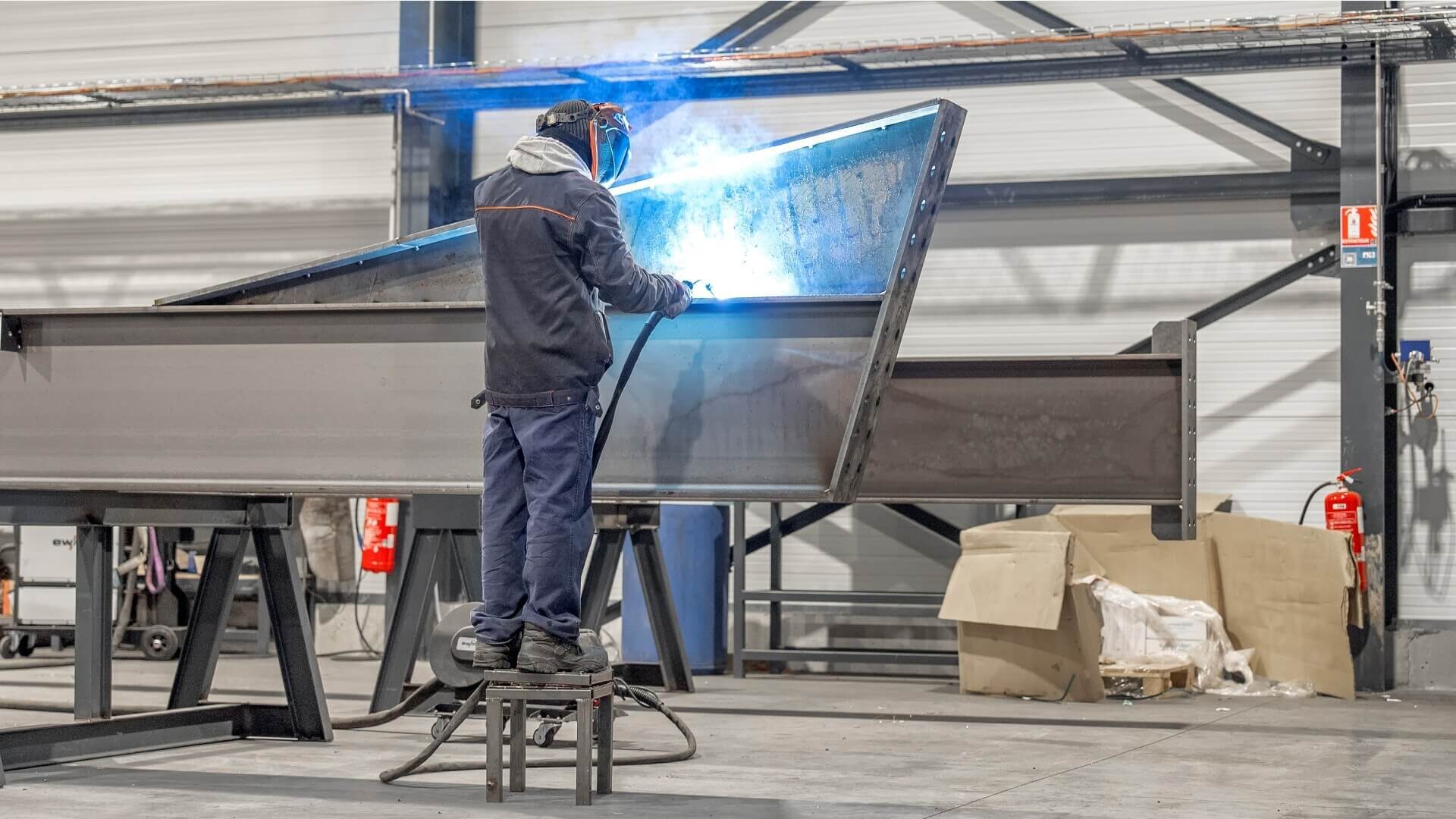
“In many workshops, fitting and welding proves to be the bottleneck. To give you an idea, a Back-to-Back line operated by only 1 or 2 people can require over 15 manual fitters and welders to keep up. This highlights a significant gap in capacity.”
“Labor availability is also becoming a growing challenge. It is increasingly difficult to find and retain skilled fitter-welders. Automation is no longer just about driving efficiency, it is about ensuring continuity in production.”
Continue reading below the image ↓
So how does automating this process actually help?
“Automation allows steel fabricators to increase output without increasing labor costs, helping to protect margins in a highly competitive industry.”
“Machines provide a higher level of weld consistency than humans. They are not affected by fatigue, performance remains stable across shifts, and there is no need for constant supervision. The outcome is stable, predictable quality.”
“We typically see two recurring scenarios in steel fabrication. On one side are fabricators with a strong emphasis on efficiency and reliability. On the other are companies focused on scaling production to address ongoing labor shortages. In both cases, pressure on capacity and lead times continues to increase. Automating the fitting and welding process can be a real game changer.”
But how does automated fitting and welding actually work?
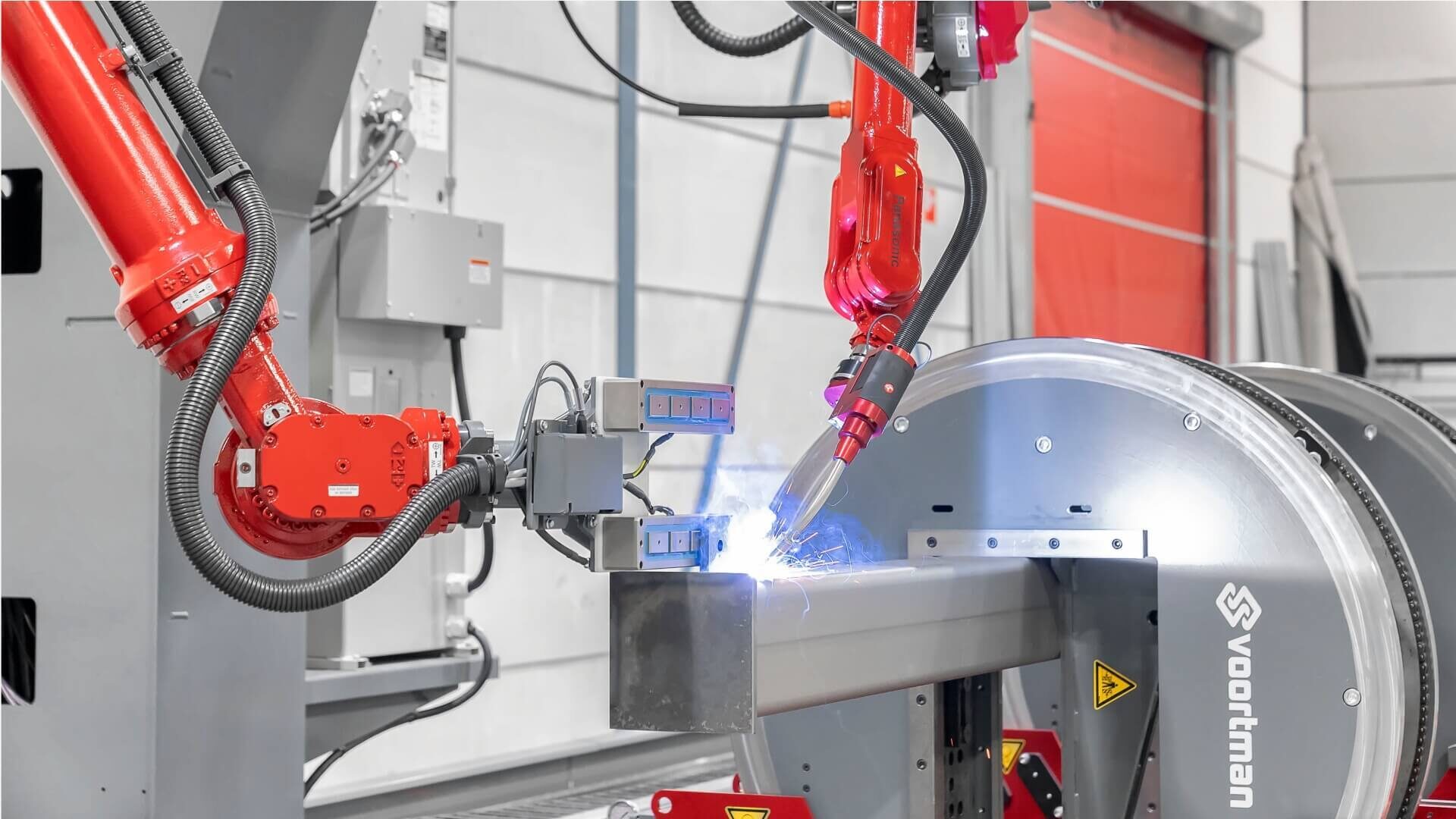
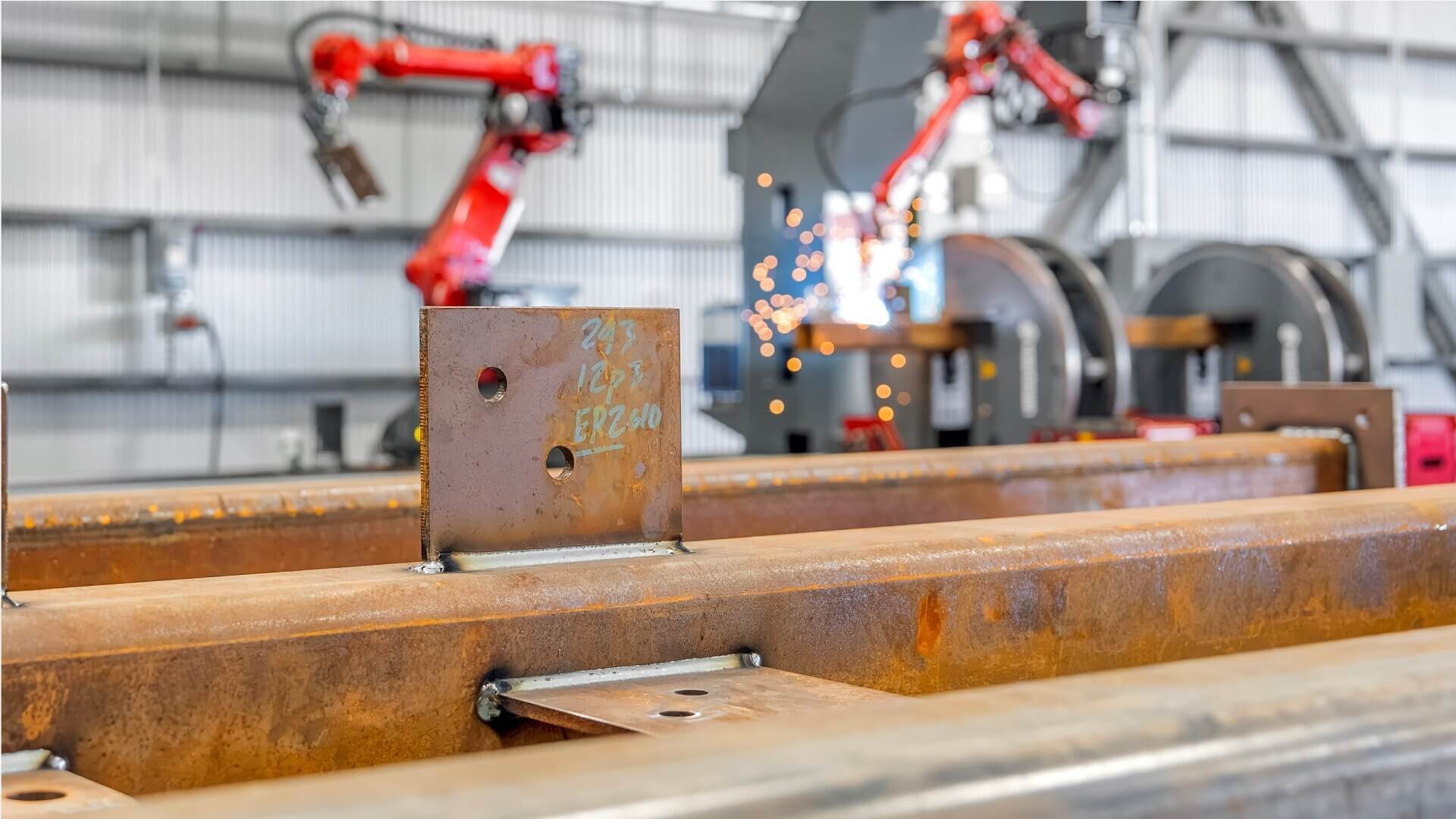
“At its core, the process is straightforward. Machines and robots work together to position steel components on a beam (fitting), and then carry out the welding with minimal human involvement.”
“What’s important is that these systems are designed for real-world conditions. Steel isn’t perfect, and material variation is the norm rather than the exception. A robust system identifies and corrects those deviations, automatically adjusting based on predefined preferences and parameters. This removes the need for manual rework or constant measurement. Solutions like this do exist today.”
“The system adapts to your production process—not the other way around.”
“If an issue arises that falls outside its scope, the system alerts the operator and continues with the next task, preventing delays and maximizing productivity.”
Continue reading below the image ↓
Many fabricators still think automated fitting and welding sounds complicated. Is it?
“That’s one of the biggest misconceptions.”
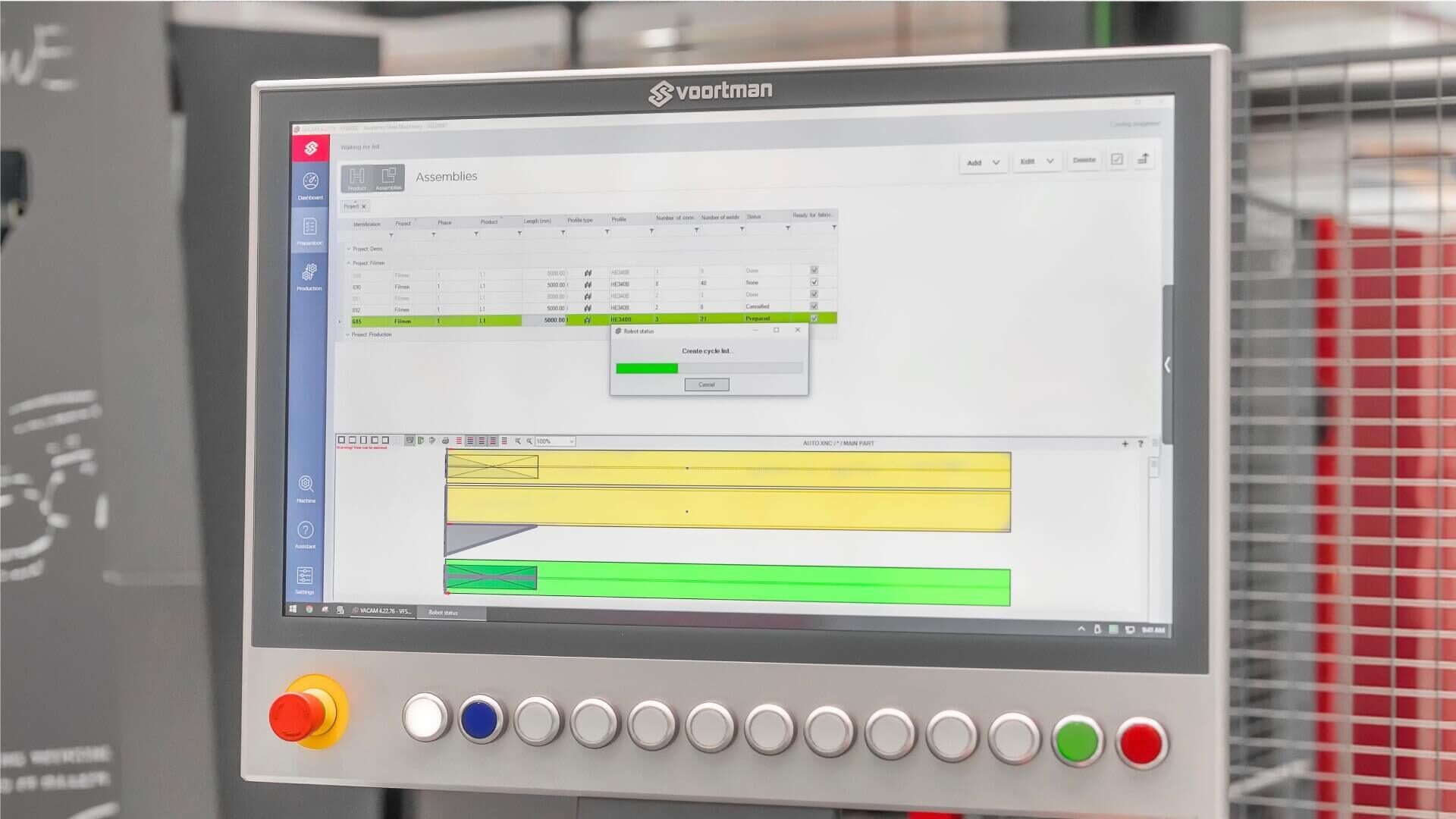
“The software drives the entire process and is designed to be flexible, adapting to a company’s production requirements with minimal user input. It manages work preparation, checks material availability, and determines which assemblies fall within the machine’s capabilities, while continuously learning from previous jobs.”
“It clearly identifies which assemblies are best suited for automation and which should remain manual, with full visibility of time and cost impact. This is key to production planning and prioritization.”
“You don’t need to program everything yourself. In many cases, it’s as simple as selecting a job and pressing start.”
“Time on task is also higher. Automated fitting and welding means more time is spent on productive work. This positively impacts overall efficiency, with machines able to run for hours unattended while operators are freed up to focus on other tasks.”
Continue reading below the image ↓
What are the main advantages of automated fitting and welding in practice?
“What fabricators notice first is simplicity.”
- You can fit and weld automatically with minimal setup.
- You reduce your dependency on highly skilled welders.
- Your workflow becomes more streamlined and predictable.
- You get consistent quality, even with variation in materials.
- And overall, your throughput increases.
“It is not about replacing skilled welders and fitters, but about freeing them to focus on complex work, while robotic fitting and welding increases capacity and reduces reliance on a shrinking skilled labor pool.”
Why is automated fitting and welding becoming central to staying competitive?
“Because the pressure on production continues to increase, while skilled labor is becoming scarce. Consistent quality and reliable output used to be a competitive advantage but are now considered the baseline. If you can’t deliver that, you fall behind.”
“In practice, companies that adopt automated fitting and welding don’t look back. It transforms welding from a manual craft to a controlled and reliable production process.”
“Automation makes production more predictable. It reduces reliance on manual work and the variation that comes with it, while enabling capacity to be maintained or increased without the need to recruit additional fitter-welders. That is why it has moved from being a competitive advantage to a fundamental requirement for staying competitive.”
Continue reading below the image ↓
What would your message be to fabricators who have yet to adopt this?
“I’d say: don’t overestimate the complexity.”
“Automation today is built to simplify production, not add complexity. It does not require a complete reset, it can be implemented gradually, without disrupting existing operations.”
“Automated fitting and welding keeps your production easy, reliable and scalable. It fits your processes, not the other way around. Most importantly, it performs in real production environments, not just in ideal conditions.”
“Automated fitting and welding isn’t something for the future. There are companies right now that have adopted it as part of their production strategy and are already realising the benefits of increased capacity, improved quality, and a clear competitive advantage.”
CURIOUS HOW THIS WORKS IN PRACTICE?
Discover how other steel fabricators are already benefiting from automated fitting and welding in their daily production.
