 GET QUOTE
 NEWSLETTER
 LOGIN
LOGIN

ABLE STEEL FABRICATORS - The sky is the limit with this technology
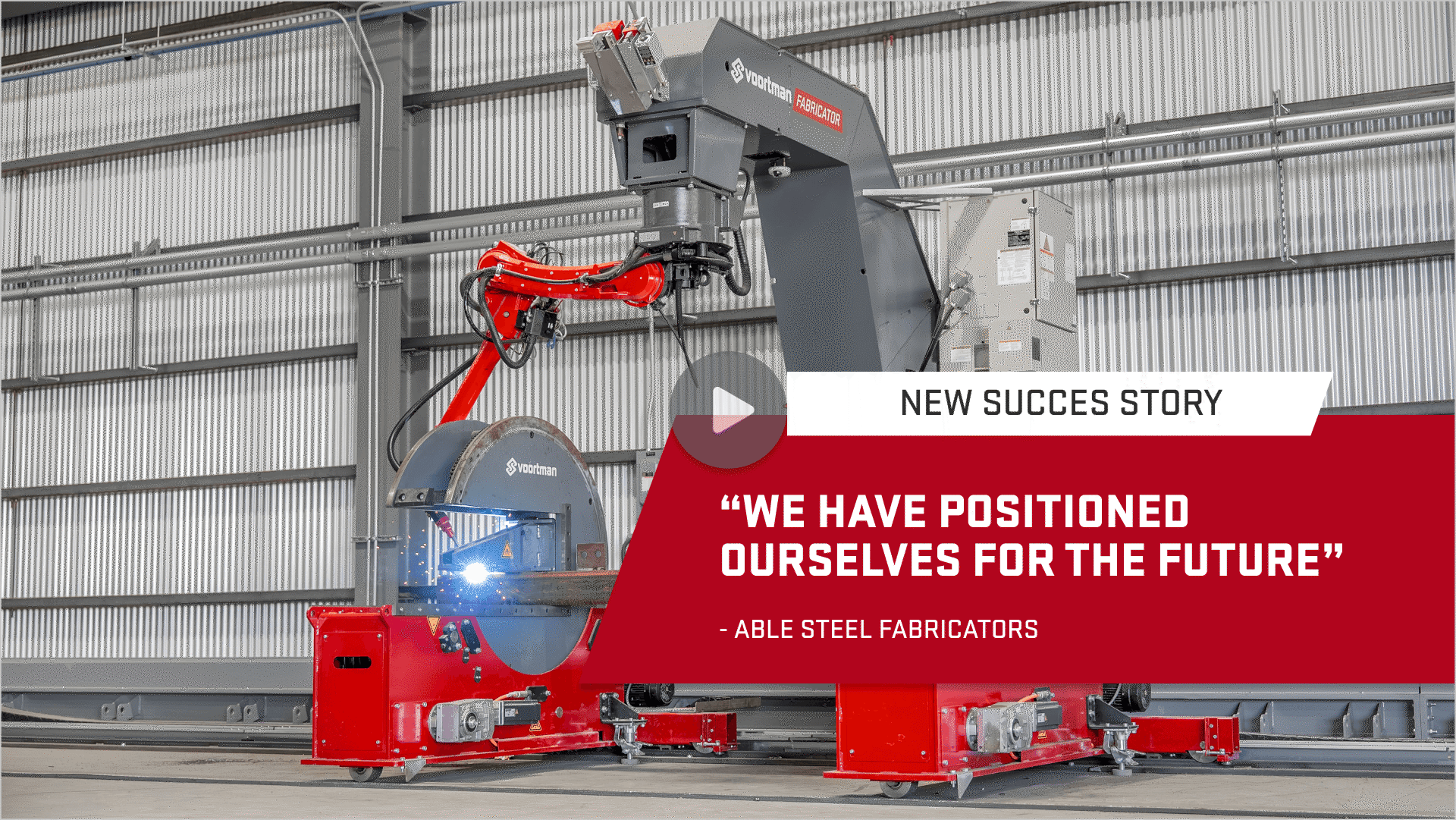
“We believe we have positioned ourselves here for the future.”
Mark Fultz
President & Co-owner, Able Steel Fabricators
Inspired by this testimonial?

REFERENCED PRODUCTS
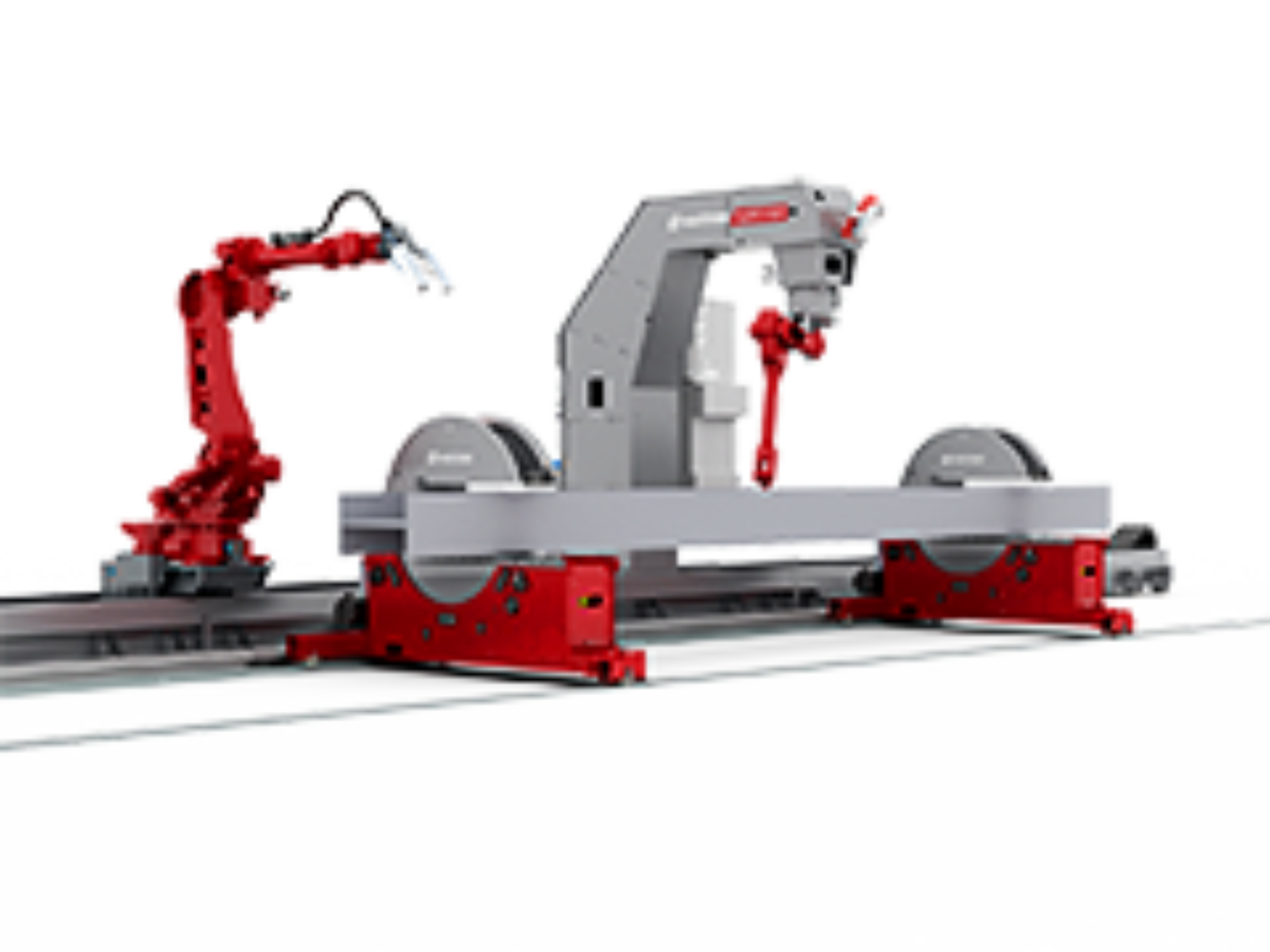
Automated fitting and full-welding machine for the steel fabricating industry
A real industry stand out
High performance miter cut bandsaws up to 1250 mm / 49"
Boost your CAD to CAM process

THE CHALLENGE
As the company expanded across the Southwest, growth brought new pressure. Increasing project volumes and tighter deadlines required more efficient production methods. At the same time, labor availability became a growing concern, especially around the Covid period. “We were looking to see what is next, how can we stay ahead of the competition?” Fultz explains.
Their existing equipment was also reaching its limits. A burn table installed years earlier was nearing the end of its lifecycle, making it clear that a step forward in technology was necessary. The challenge was not just replacing equipment, but making a strategic investment that would support long-term growth.
ABOUT THE COMPANY
Able Steel Fabricators is a family-owned structural steel subcontractor based in Mesa, Arizona. Since its founding in 1975, the company has built its reputation on quality, reliability, and a strong commitment to delivering on its promises. President and co-owner Mark Fultz oversees daily operations, with a clear focus on continuous improvement and staying ahead in a competitive market.
THE SOLUTION
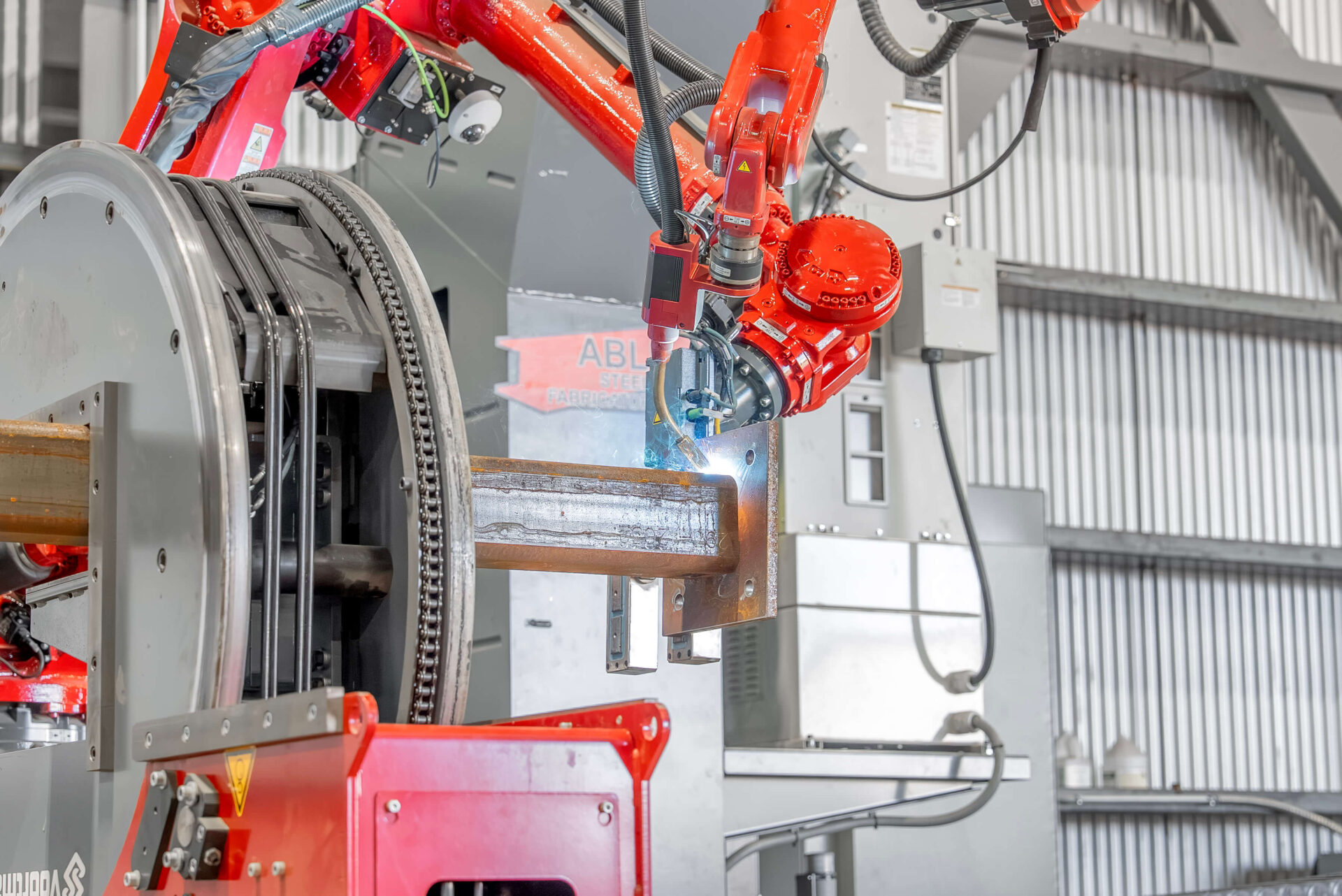
Able Steel turned to Voortman as part of a broader vision to modernize their production. The first step came in 2016 with the installation of a Voortman V310, making them the first in the United States to adopt this technology. This was followed by further investments, including a V807 coper and later a fully integrated MSI system. The setup was expanded with a V633 drill and saw combination, and more recently, two Voortman Fabricators. “We had seen where the technology was with Voortman. It was kind of a no brainer for us to make that decision.” The choice was driven by the level of automation and integration. Instead of isolated machines, Able Steel created a connected production flow designed to improve efficiency and reduce manual handling.
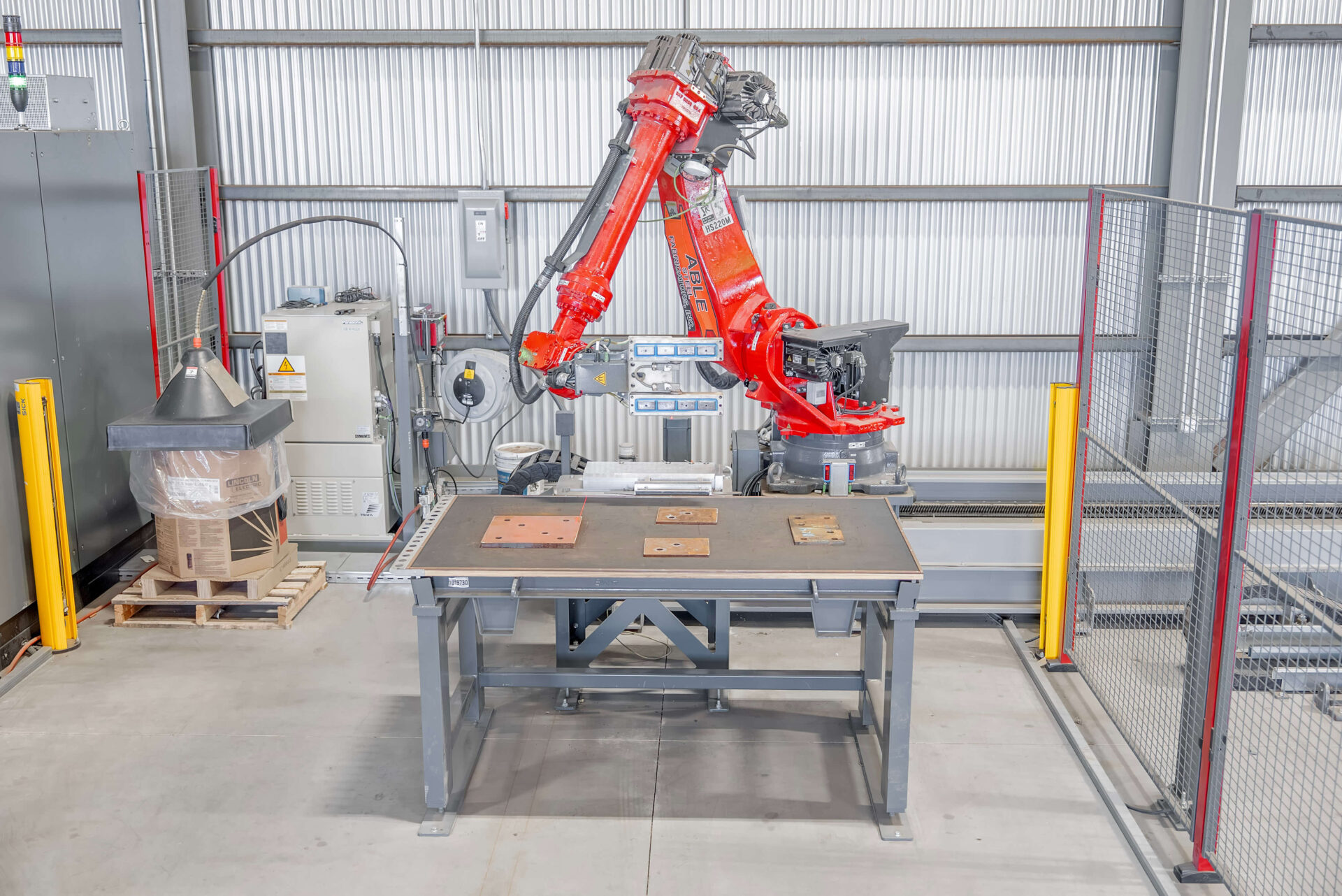
At the same time, the addition of two Voortman Fabricators has introduced a new level of automation in fitting and welding. The systems replicate manual assembly processes, but in a controlled and consistent way, allowing Able Steel to scale production without adding complexity. “You’re basically duplicating what you’re doing manually, but by way of a robot,” Fultz explains. A key advantage is the clear separation between programming and operation. While a dedicated programmer prepares jobs in advance, operators can stay focused on loading, running, and unloading parts, keeping the machines productive throughout the day. This structured workflow not only reduces interruptions and maintains steady output, but also helps address ongoing labor challenges. With fewer skilled workers available, automated processes reduce pressure on the team, allowing tasks that once required multiple operators to be handled more efficiently. This has brought more stability to daily operations and made planning more predictable.
“The equipment from Voortman is going to allow us to continually increase our capacity and capability. The sky is the limit.”
Mark Fultz, President & Co-owner
The integration between detailing, programming, and machine operation has also become more refined. By preparing work in advance and feeding it into the system in a structured way, Able Steel has created a smoother flow from engineering to production. Over time, the team has learned what works best for automation and now adjusts drawings and preparation accordingly, ensuring that the machines are used where they add the most value.
NEW POSSIBILITIES
With Voortman equipment in place, Able Steel has significantly increased both speed and overall production capacity. The most noticeable improvement has been in efficiency across automated processes. In side-by-side comparisons, automated operations have shown time savings of up to 50 percent, depending on the application. “The biggest difference we’ve seen is the speed and efficiency,” Fultz explains. This increase in throughput directly impacts the company’s bottom line while allowing them to take on more work.
That growth is already visible in their output. Where production previously averaged around 5,000 to 6,000 tons per year, Able Steel is now trending toward 10,000 tons and beyond. This was a key goal when the company first began investing in robotics and automation, and it confirms that those decisions are delivering results.
Beyond pure numbers, the company has also improved how work flows through the shop. By learning what fits best within automated processes and refining their approach over time, the team is now able to make better decisions earlier in the workflow. This ensures that the right parts are directed to the right machines, maximizing efficiency and reducing unnecessary manual work.
Looking ahead, Able Steel sees strong market demand, particularly driven by the growth of data centers and AI-related infrastructure in the Southwest. With their current setup, they feel well prepared to respond. The addition of automated fabrication has expanded both their capacity and capability, allowing them to take on larger and more complex projects. “We believe we’ve positioned ourselves here for the future,” Fultz says. “The equipment is going to allow us to continually increase our capacity and capability. The sky is the limit.”
MORE TESTIMONIALS