 GET QUOTE
 NEWSLETTER
 LOGIN
LOGIN

FINELINE - Inside their future-ready shop
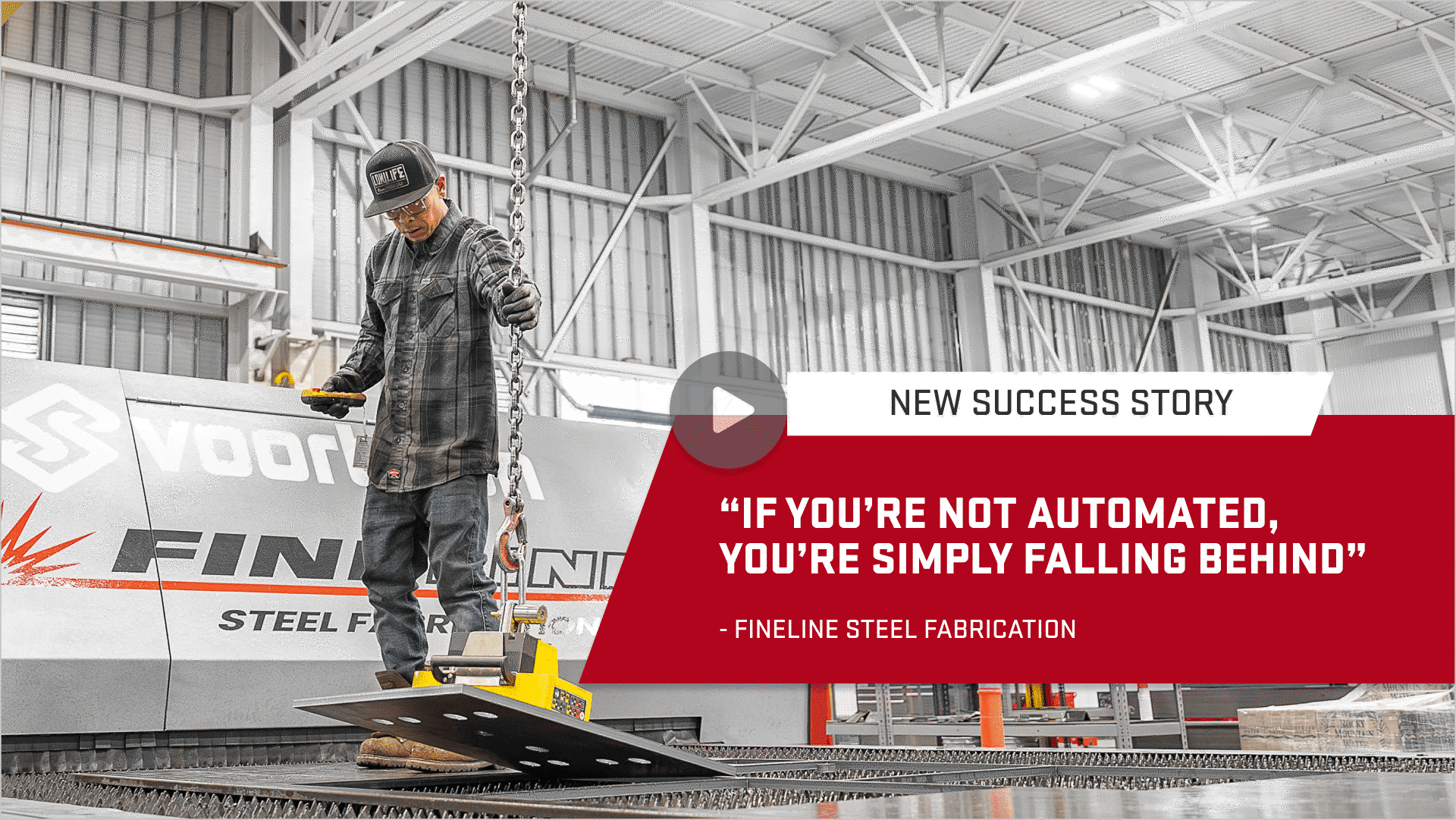
“Voortman didn’t just sell us equipment. Voortman sold us on a partnership.”
Tyler Oliver
President, Fineline Steel Fabrication
Inspired by this testimonial?

REFERENCED PRODUCTS
Durable, high quality and automated shot blasting machines.

THE CHALLENGE
As Fineline
continued to grow, Oliver realized the company could not keep relying on
traditional manual processes if it wanted to scale successfully.
Oliver describes
that moment in direct terms: “If we were still going at it the way we were
before, we were a ticking time bomb. Our days were numbered. If you’re not
automated, you’re simply falling behind. At some point, if you don’t make that
move, there’s really no fight left in the dog.”
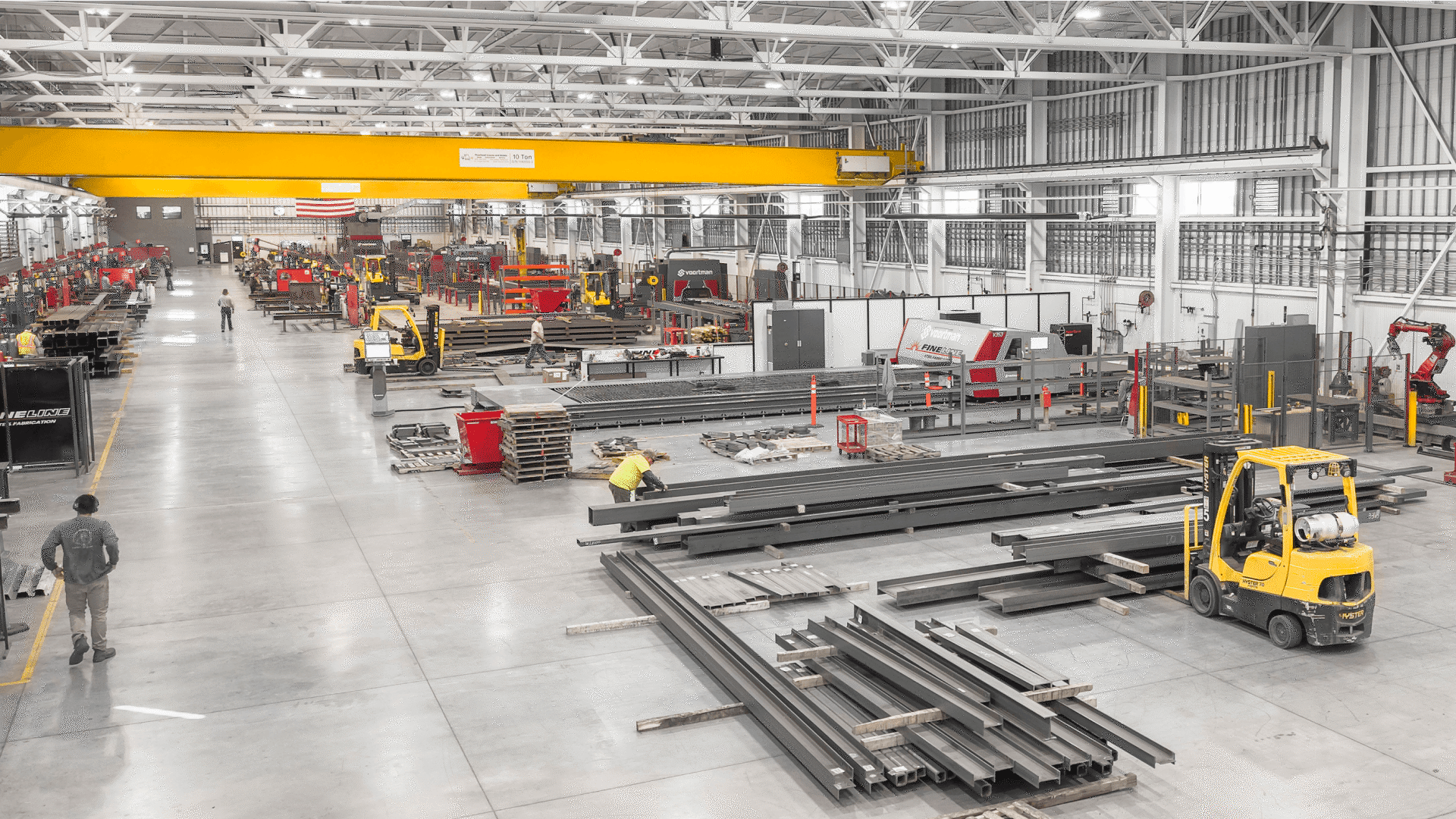
That mindset defined Fineline’s next phase. The company needed to increase throughput, improve fit-up and cut quality, reduce manual bottlenecks, and create a production environment that could keep getting better as the business expanded.
ABOUT FINELINE
Fineline Steel Fabrication, founded in 2010 and based in Salt Lake City, Utah, has grown into a structural steel company with around 95 employees and a large-scale production facility. Led by founder Tyler Oliver, the company works on commercial and industrial projects including schools, hospitals, hotels, and other major structural jobs.
Oliver has always wanted the company to reflect more than output alone. “I wanted this to be a place where people actually take pride in what they do. Not just a shop where guys come in, weld, and go home. We wanted a clean environment, good equipment, and a company people could feel good about being part of.”
MSI: THE BACKBONE SOLUTION
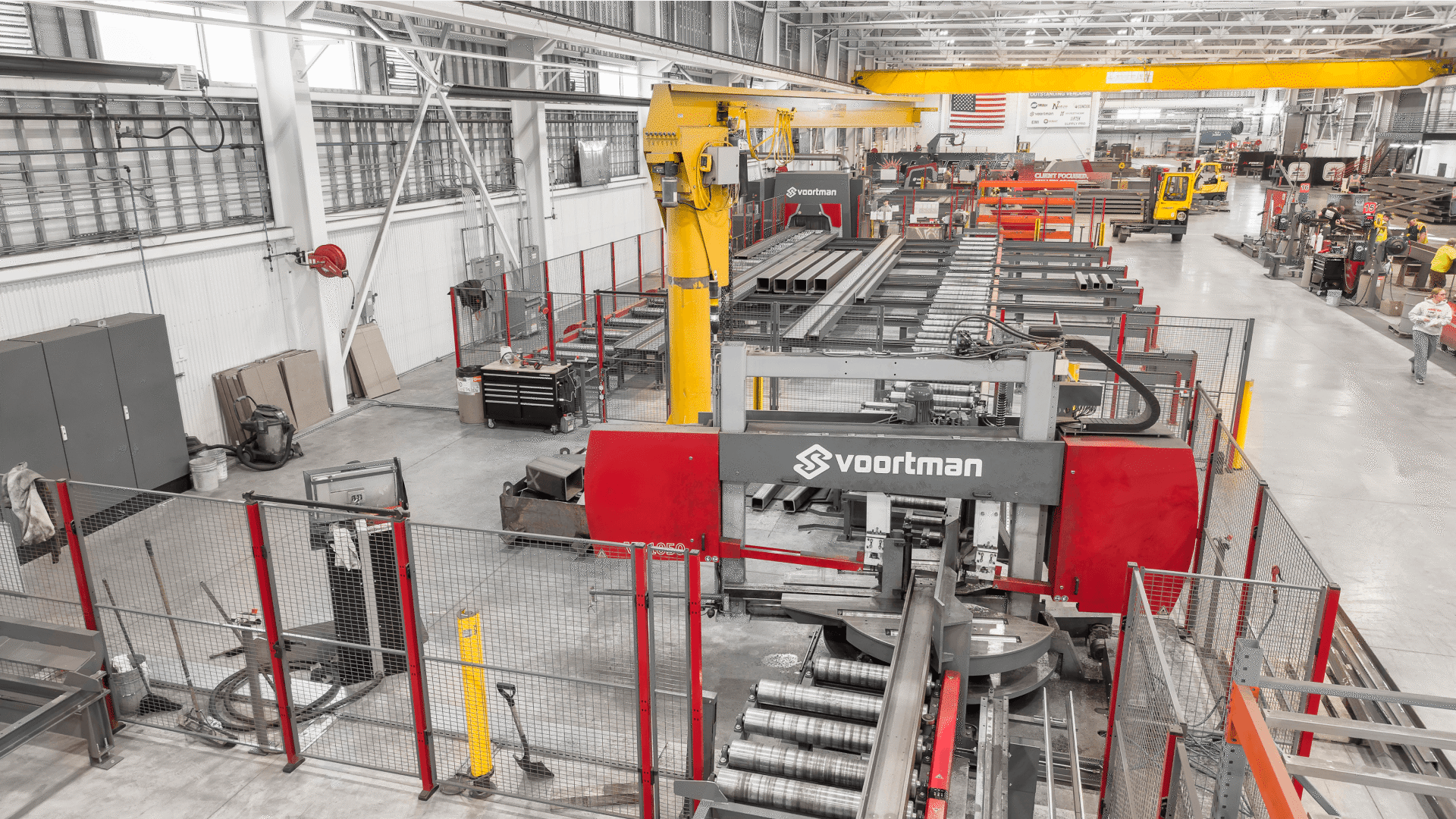
The backbone of the transformation became the Voortman MSI line. For Oliver, its impact is hard to overstate. “The MSI line changed how we do everything,” he says. “It completely changed the rhythm of the shop, the way material moves, and the way we think about production.”
General Manager Schuyler Everett describes the role of the line this way: “Anything that we can do automated, we’re trying to force it there. We want the welders to be welding. We don’t want highly skilled people spending their day doing things a machine can do faster, cleaner, and more consistently.”
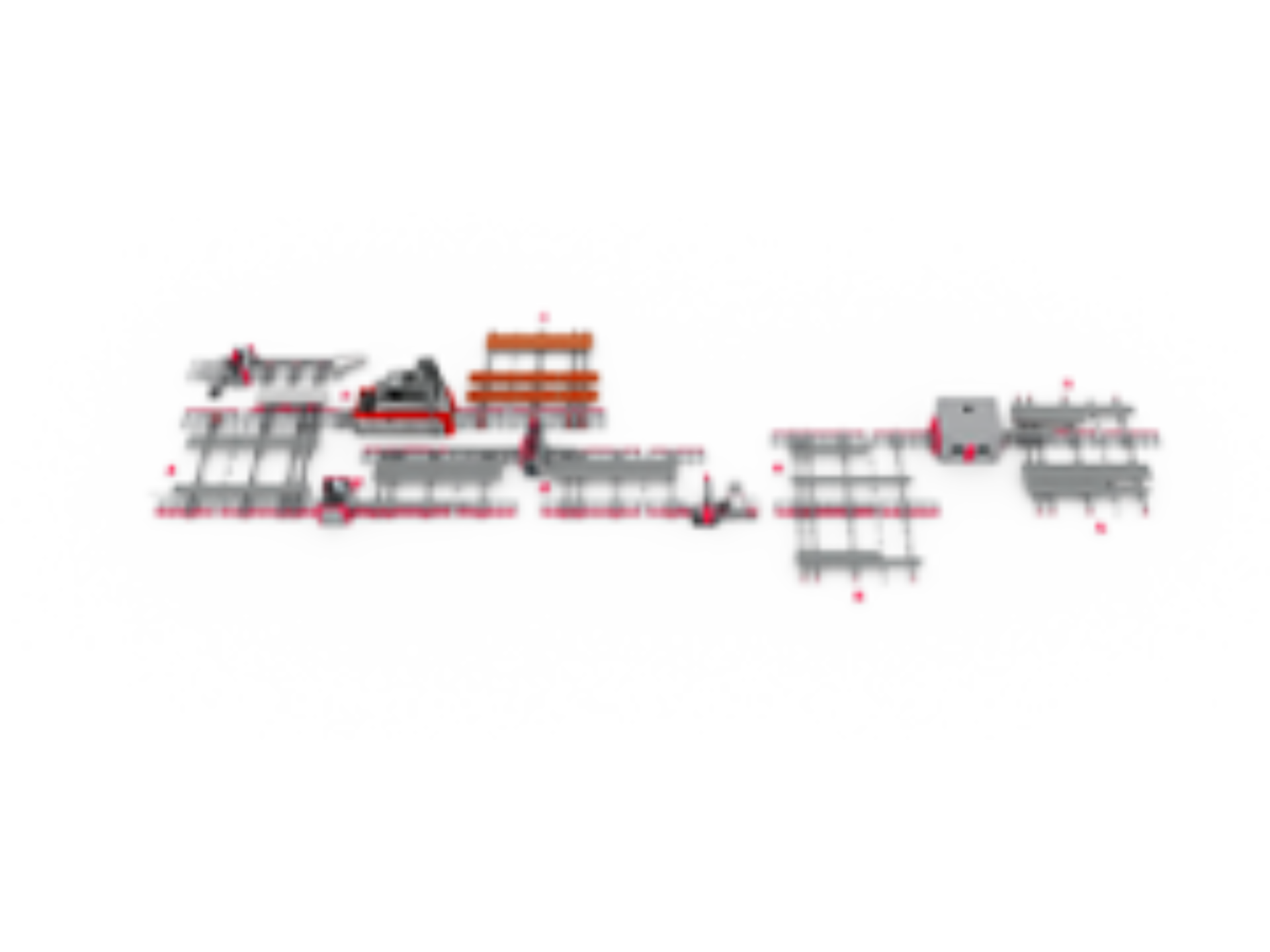
The line starts with a VSB shot blaster for both profiles and plates, reducing manual prep and improving downstream quality. Profiles then move to the V631 drill line for drilling, milling and layout marking. As General Manager Schuyler Everett says, “We drill and scribe almost every ounce of material,” so parts come off the line already prepared for the next step. From there, profiles continue to the VB1050 saw for cutting and then to the V807 for coping, beveling, and plasma processing. Because the system is fully integrated, the workflow is continuous and predictable..
FIBER LASER & PLASMA COMBO
For plate
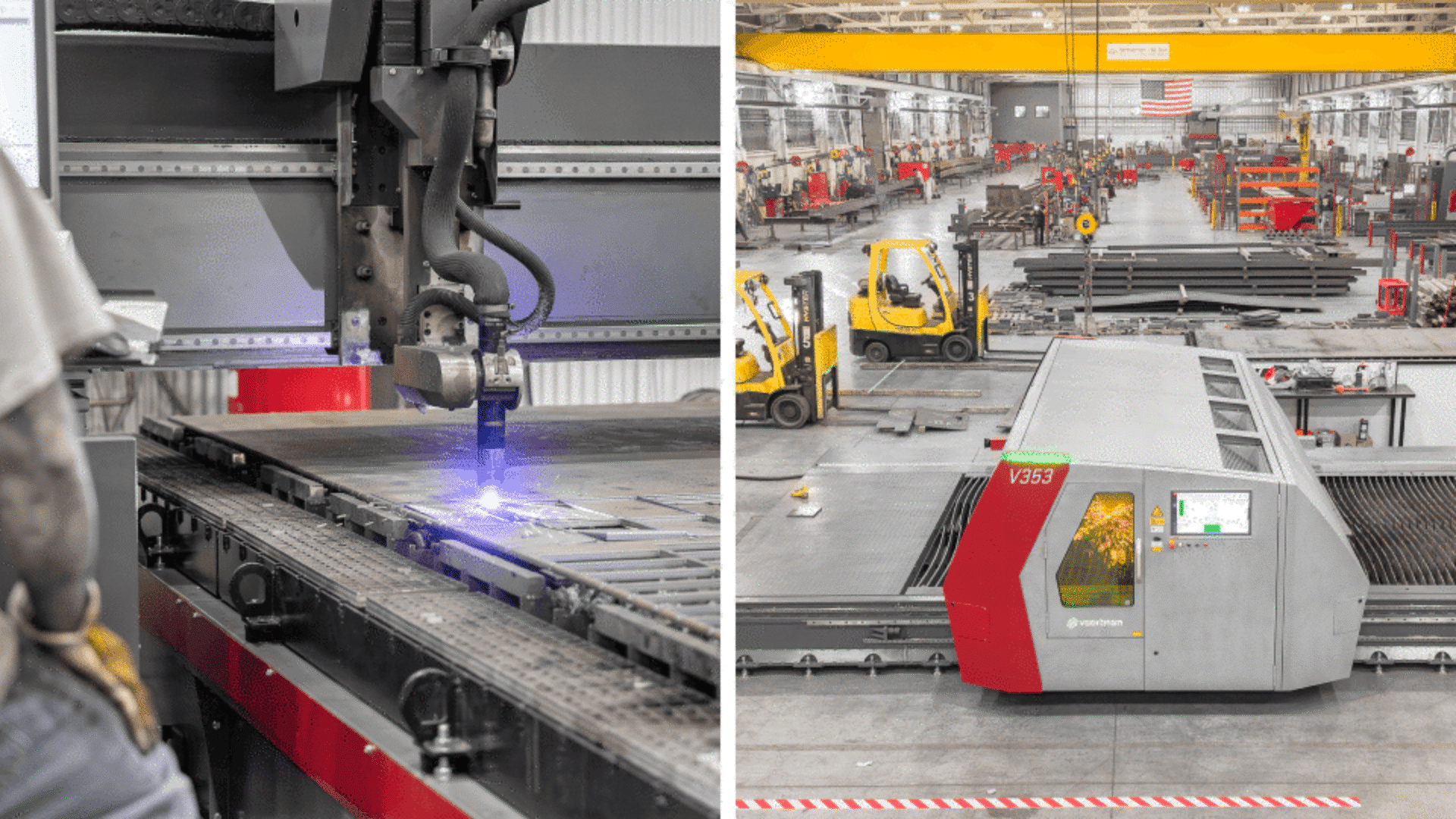
processing, Fineline combines the Voortman V310 with the V353 fiber laser.
The V310 remains the
shop’s workhorse for thicker and more complex jobs, combining oxy-fuel cutting,
drilling, and milling in one system. The V353 complements it by giving Fineline a much cleaner and more efficient solution for lighter plate work.
For Oliver,
the decision to invest in the fiber laser was driven by what happened after the
cut just as much as by the cut itself. “The decision to buy
the V353 was driven almost exclusively off of part quality, the post-processing
and cleanup, the quality of the cut edge, the speed of the machine,” he says.
“When you start looking at the whole process instead of just the machine time,
it becomes obvious. It’s not just about cutting the part. It’s about what
condition that part is in when it gets to the next stage."
“We’ve made prima donnas out of our welders. They expect perfect fit-up.
They expect it to be clean. They expect it to be right.”
Schuyler Everett, General Manager Fineline
Everett sees the difference on the floor every day. “The biggest difference between the laser and the plasma cutting processes really comes out in the fitting stages of fabrication. The welders don’t have to clean all the dross and slag off the back of the parts. They have a lot less edge prep. With the laser, you have a square edge, your fit-ups are better, your cut quality is better, your nesting is tighter, your material efficiency is better.”
On thinner material, Finelinee runs nitrogen to prevent oxidation on the cut edge, which eliminates another manual step before welding. Everett says that is where the machine really stands out: “That’s really where the V353 kind of comes into its own. When you can take thin material, cut it fast, keep the edge clean, and send it downstream without extra cleanup, that has a real impact on the floor.”
THE FABRICATOR: AUTOMATED WELDING
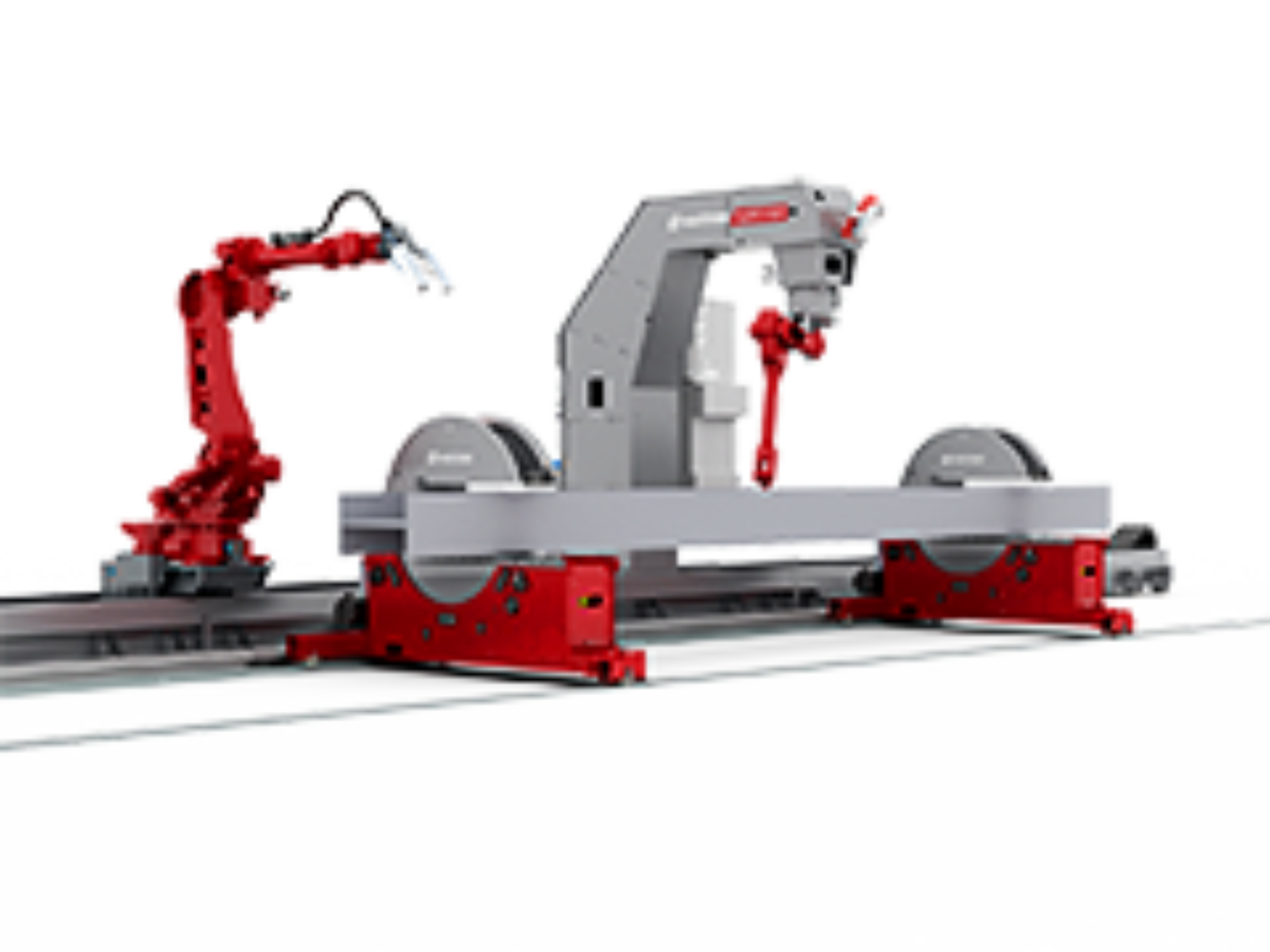
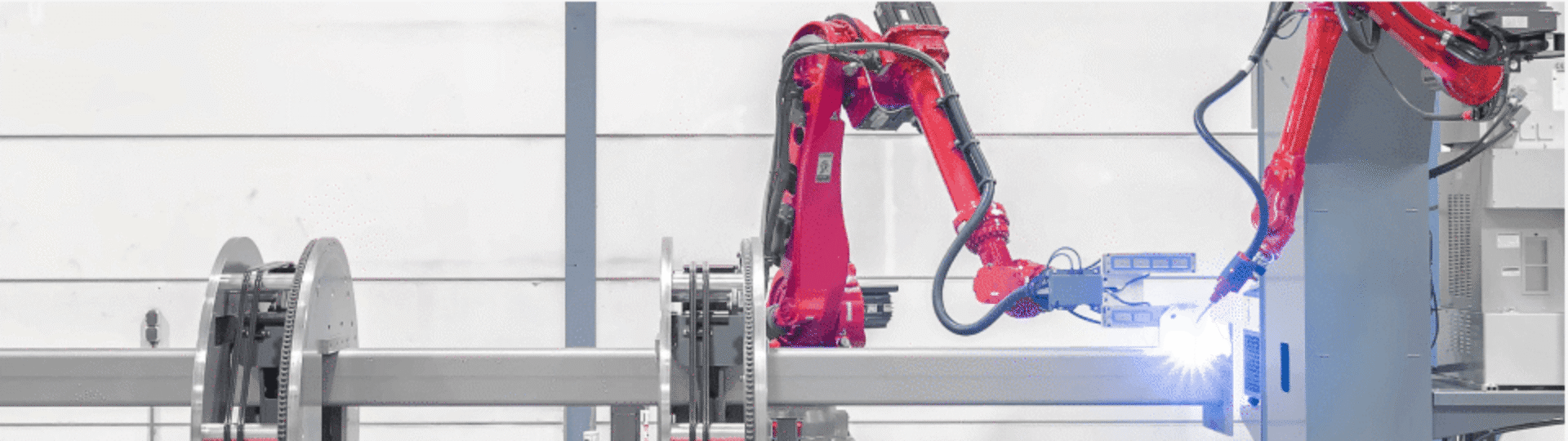
To take that efficiency even further, Fineline also invested in the Voortman Fabricator for automated welding. The system is particularly well suited for repetitive, connection-heavy assemblies such as beams and columns with multiple plates, where consistency and throughput are critical.
Oliver is clear that
the purpose was never to remove people from the process. “The intent was never
to replace any guys. This was to increase the volume,” he says. “The goal was
not to take work away from our people. The goal was to create more capacity and
let our people focus on the work where their skill matters most.”
That is what makes
the Fabricator such a strong fit for Fineline’s operation. On repetitive
assemblies, the machine brings a level of consistency that is difficult to
match manually over long production runs. Oliver puts it simply: “It doesn’t
care if it’s repeating itself 18 times or 100 times. It’s going to do the same
thing over and over. That’s where it becomes really valuable.”
General Manager Schuyler Everett reinforces the productivity, saying, “We’re usually getting 6 to 8 columns for every one that we would on a manual station.” By taking repetitive weldments out of manual stations, the Fabricator increases output while allowing skilled welders to focus on more complex and varied work.
OUTPRODUCING FABRICATION CAPACITY
The results of those
investments are visible across the entire business. Fineline now processes
steel at a rate that exceeds what it can currently fabricate and finish, which
is why the company is expanding with a new building and additional welding bays.
Oliver says it plainly: “We can far out produce what we can fabricate. We need
to feed the beast. That MSI line can chew through a lot of material.”
He also points to
what the company has become beyond production numbers. “This facility has some
of the best equipment money can buy. And when people walk through it, they see
that. They see a clean shop, they see organization, they see technology, and they
want to be here.”
That has changed
hiring as well. “Getting labor isn’t the problem it used to be,” Oliver says.
“When you build a place like this, people want to come work for you.”
Financially, the
investment has also delivered, with ROI landing at roughly 1.5 to 2 years on
key systems and around 2.5 to 3 years across the full setup.
For Fineline, the
value goes beyond the machines themselves and comes down to partnership. As
Tyler Oliver says, “Voortman didn’t just sell us equipment. Voortman sold us on
a partnership.” That lasting support is what gives Fineline the confidence to keep
growing with Voortman and recommend them to other fabricators looking for more
than just a supplier.
MORE TESTIMONIALS